


اخبار العرب-كندا 24: الاثنين 5 يناير 2026 08:08 صباحاً
Conditions across the federally owned building portfolio have gradually slipped over the last five years, and the government says its plan to unload office space is partly to blame for the latest drop.
The percentage of Crown-owned buildings in “fair or better” condition has declined steadily since 2020-2021, hitting a low mark of about 53 per cent last fiscal year, according to an analysis of annual reporting by Public Services and Procurement Canada (PSPC).
The score for 2024-2025 is only slightly lower than the department’s internal target of 54 per cent, but it does mark the continuation of a trend public sector union leaders have been warning about for years.
Advertisement
Advertisement
Advertisement
Advertisement
Meanwhile, federal heritage assets, which include the Supreme Court of Canada building, are in worse shape overall, with about 42 per cent in fair or better condition, well under the government’s separate 53 per cent target for heritage buildings.
[protected-iframe info=”https://flo.uri.sh/visualisation/27030481/embed” height=”400″]
As federal public servants brace for a potential full return-to-office, the annual report from PSPC provides a snapshot of the conditions in government buildings that may be awaiting them.
‘Critical’ condition
Many public servants in the National Capital Region will be familiar with the worst offenders.
Advertisement
Advertisement
Advertisement
Advertisement
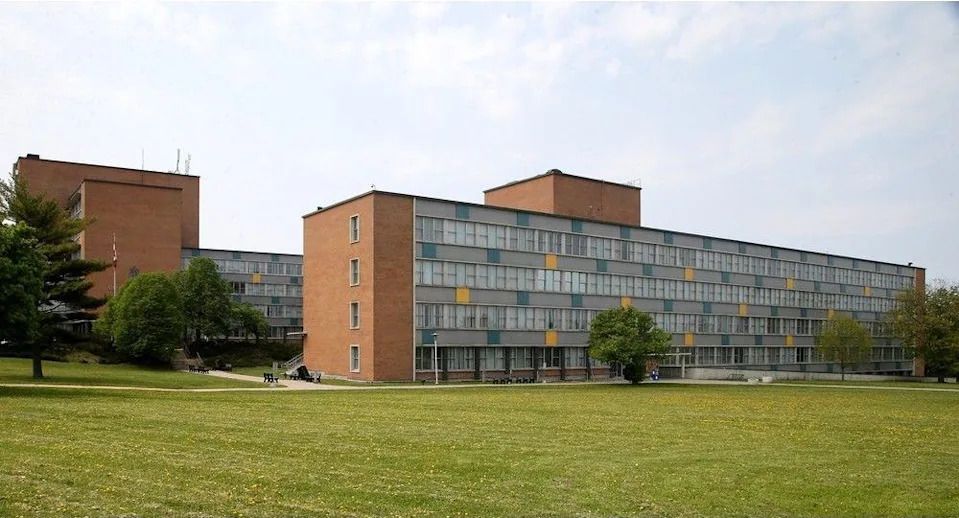
The Taxation Data Centre on Heron Road; the Sir Charles Tupper building on Riverside Drive; the Jean Talon building in Tunney’s Pasture: all are in “critical” condition, according to the Treasury Board’s property directory.
The government rates the condition of its buildings on a four-point scale: critical, poor, fair and good.
The worst of the bunch, critical buildings, are those in frequent need of emergency maintenance, where the risk is high of building or systems failure.
Ottawa-Gatineau is currently home to 146 Crown-owned buildings in critical condition, per the directory.
The Sir Charles Tupper Building is one of the federally-owned properties in Ottawa listed as in ‘critical’ condition.
Back in 2020, a Treasury Board report found more than a quarter of federal buildings in the National Capital Region were in either poor or critical condition.
Advertisement
Advertisement
Advertisement
Advertisement
And annual PSPC reports since suggest the overall condition of the government’s building portfolio has only gotten worse.
Plan to offload offices explains decline, government says
PSPC gave two reasons in its report why conditions last fiscal year dropped below its target.
First, the department said “revised priorities” under its plan to shed office space caused deferred maintenance for “non-critical projects and assets slated for disposal.”
That deferral has led to a decline in conditions for some buildings, affecting the overall score, according to the government.
PSPC had planned to offload 50 per cent of its office space over ten years, but the push to get public servants back in office has derailed that effort.
Advertisement
Advertisement
Advertisement
Advertisement
It’s now on pace to cut office real estate by 33 per cent over the same period.
The second explanation for the missed target was an emphasis on delivering “Minimum Viable Product” solutions.
PSPC did not elaborate on its use of the term “Minimum Viable Product,” which typically refers to rolling out barebones digital services that meet only the basic needs of users.
The department did not respond to questions from the Ottawa Citizen by deadline.
As for heritage assets, such as the National Printing Building in Gatineau, the government offers a slightly different explanation for the state of its portfolio.
Advertisement
Advertisement
Advertisement
Advertisement
“While challenges such as aging infrastructure, building condition, and portfolio size have hindered progress, targeted initiatives and strategic planning are driving positive change,” the report said.
Other results mixed
Elsewhere, PSPC met some targets and missed others.
In 2024-2025, the department reported a reduction in greenhouse gas emissions across Crown-owned buildings by about 60 per cent (compared to a target of 40 per cent).
On pay, PSPC reported processing 98 per cent of pension payments accurately and on time (against a target of 95 per cent).
It also reported reducing the backlog of federal employees facing potential pay inaccuracies from 112,273 in 2023-2024 to 94,122 last fiscal year.
Advertisement
Advertisement
Advertisement
Advertisement
On procurement, PSPC missed targets for awarding contracts to small- or medium-sized businesses and the participation of women, pointing to several high-value defence contracts which it said skewed the data.
It did, however, exceed its target for participation by Indigenous suppliers.
Related
Our website is your destination for up-to-the-minute news, so make sure to bookmark our homepage and sign up for our newsletters so we can keep you informed.
تم ادراج الخبر والعهده على المصدر، الرجاء الكتابة الينا لاي توضبح - برجاء اخبارنا بريديا عن خروقات لحقوق النشر للغير


