

اخبار العرب-كندا 24: الثلاثاء 23 ديسمبر 2025 04:32 مساءً
Ottawa saw a modest decline in reported coyote sightings this year, with 607 coyote-related service requests filed in 2025, down from 644 in 2024, according to city data.
But these numbers may not be reflective of the overall coyote population: there may be duplicate reports or multiple calls per coyote sighting, Dom Marcil Ferland, the city’s wildlife resource co-ordinator, wrote in a statement.
As of Dec. 18, city data shows that coyote sightings were most common in suburban wards on either end of the city in 2025. Kanata North ward led the way with 68 coyote sighting reports this year, a large increase from the previous year, where only 18 sightings were reported within the ward. Sixty-five coyote sightings were reported in Orléans South-Navan, and Orléans East-Cumberland rounds out the top three with 52 reports in 2025.
Advertisement
Advertisement
Advertisement
Advertisement
On the other end, Rideau Vanier only reported two coyote sightings in 2025, the fewest of any ward. There were three reported sightings in West Carleton-March and four in Somerset Ward.

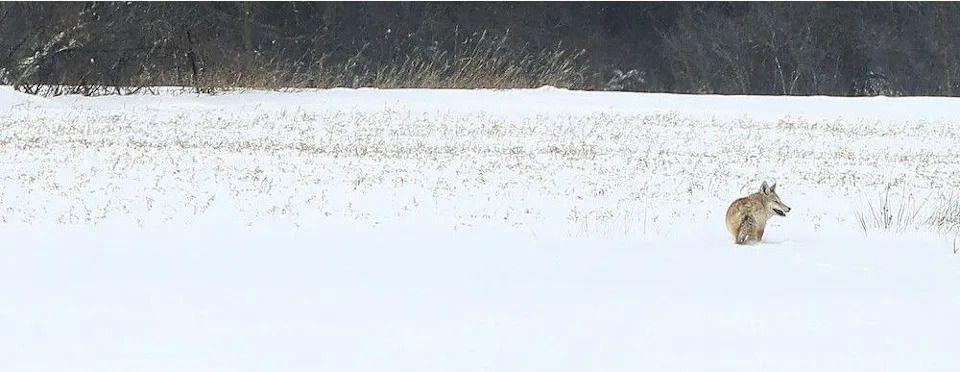
A coyote hunts along Fallowfield Road in a file photo.
When are sightings most common?
Christopher Myles, a senior conservation officer at the National Capital Commission, said sightings begin to increase each year in December at the start of mating and courtship season and will continue throughout the winter into mating season, while the animals are more active.
He said it’s hard to tell if coyote sightings have generally started increasing over the last few years, or if residents are just becoming more proactive with reporting.
Urban coyote populations can live up to 70 per cent longer than their rural counterparts, Myles said, since they aren’t as vulnerable to hunting and trapping pressures within city boundaries, which may otherwise increase their mortality rates in rural environments. He added urban populations don’t have to cover as much ground to find food.
Advertisement
Advertisement
Advertisement
Advertisement
“There’s a lot of ideal habitats for them, and they’re extremely adaptable animals,” Myles said. “They kind of learn to deal with their surroundings, and if there is abundant food sources and there’s not a lot of competition in those areas, then that’s kind of ideal for them.”
Coyotes are also more visible during the winter since there’s often little foliage to camouflage them in wooded areas, which may also lead to more reported sightings in the winter months.
“You could have walked by them 100 times in the summer and not seen them, but now you’re going to see them because the forests are open,” Myles said.
Coyotes may also tend to change their hunting habits in the winter as food sources become more scarce. While urban coyotes are mostly nocturnal to limit interactions with humans during the daylight hours, Myles said that the natural food diversity of plants, berries and small rodents tends to shrink in the winter due to the snow cover, changing hunting habits.
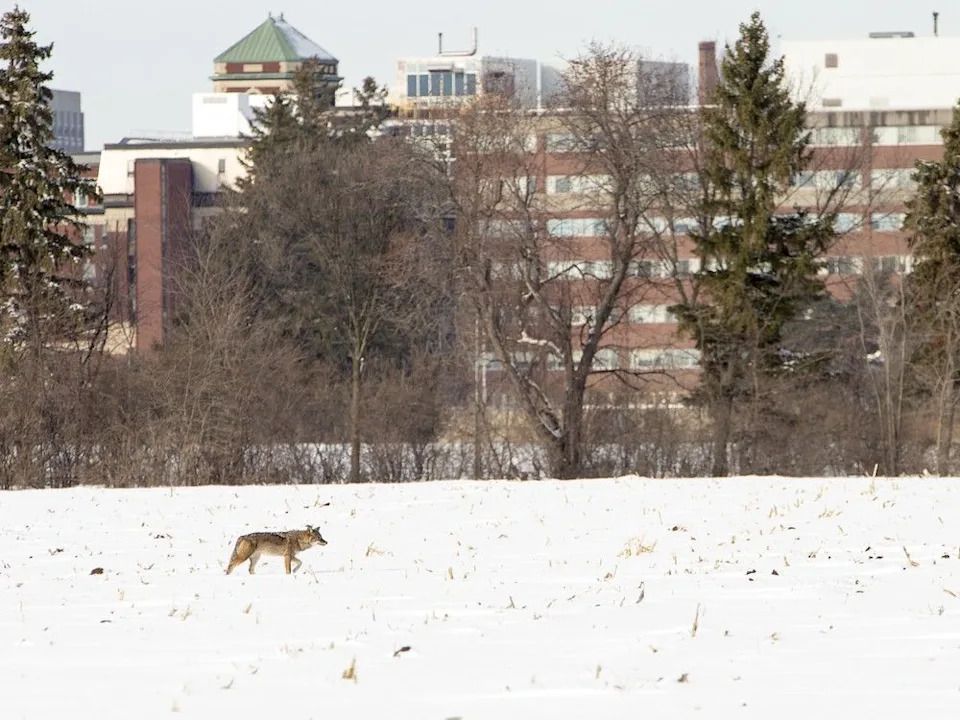
A coyote looks for an afternoon meal on the grounds of the Experimental Farm with the Civic Campus of the Ottawa Hospital in the background in a file photo.
What to do during a coyote encounter
If you come in contact with a coyote, Myles recommends you make yourself big, make noise using a loud, assertive voice and wave your arms around.
Advertisement
Advertisement
Advertisement
Advertisement
“You just want to let them know that you’re bigger and scarier than they are, because they are naturally fearful of humans,” he said.
The city says there have been no reported injuries to humans from coyotes. But in some instances, pets have been injured or killed by coyotes.
To keep pets safe, Myles said it’s critical to keep dogs on a leash, since coyotes will naturally see dogs as rivals who are threatening their mates, pups or dens. Off-leash dogs could also initiate a chase with a coyote, bringing the dog closer to the coyote’s den, “which will turn a coyote that would have maybe run away into one that needs to defend its den,” Myles said.
If you see a coyote, it’s important not to turn your back or run away, as this could initiate the coyote’s predatory response. Myles warned people should be more careful when multiple coyotes are spotted together, as they feel more emboldened in groups.
Advertisement
Advertisement
Advertisement
Advertisement
“If it’s a single one, they’re going to be more fearful, and their instinct is to run back to their family members. But if there are two of them or more, they will feel less intimidated.”
Feeding coyotes can also change their behaviour and can cause them to lose their fear of humans. The NCC cautions residents to never feed coyotes, even if it’s unintentional. Make sure to secure garbage and compost bins, don’t leave dog food outside and pick any ripe fruit off of backyard trees or bushes.
Residents are encouraged to report any coyote they are concerned about by calling 3-1-1 or by visiting ottawa.ca.
Our website is your destination for up-to-the-minute news, so make sure to bookmark our homepage and sign up for our newsletters so we can keep you informed.
Related
تم ادراج الخبر والعهده على المصدر، الرجاء الكتابة الينا لاي توضبح - برجاء اخبارنا بريديا عن خروقات لحقوق النشر للغير


