



اخبار العرب-كندا 24: الأحد 4 يناير 2026 08:20 صباحاً
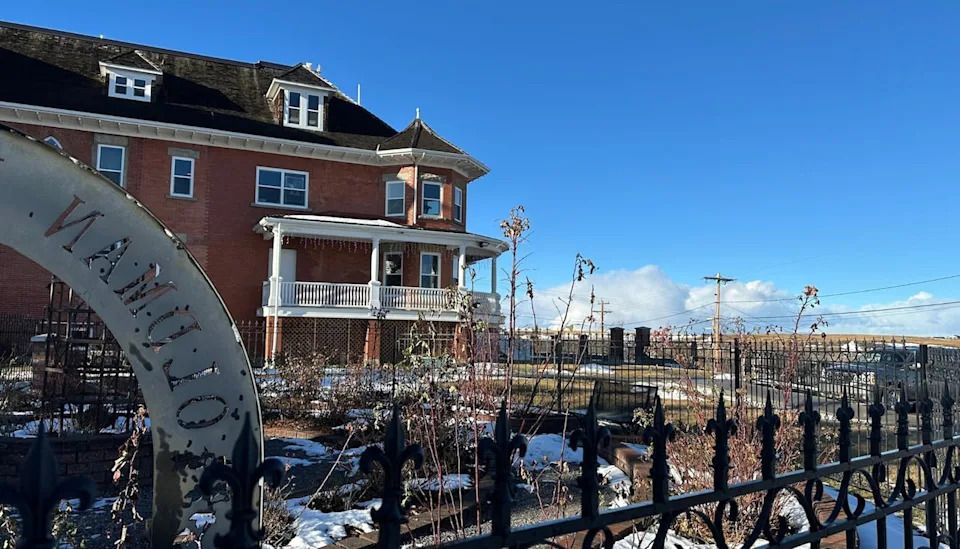
Like a crown on the hill, Pincher Creek’s Lebel Mansion brings a sense of history and warmth to the skyline above downtown.
The former Catholic hospital turned 115 last year.
It’s been more than 40 years since a handful of art and heritage enthusiasts rallied to save it, and given how expensive heritage renovations usually are, that’s a serious community success story.
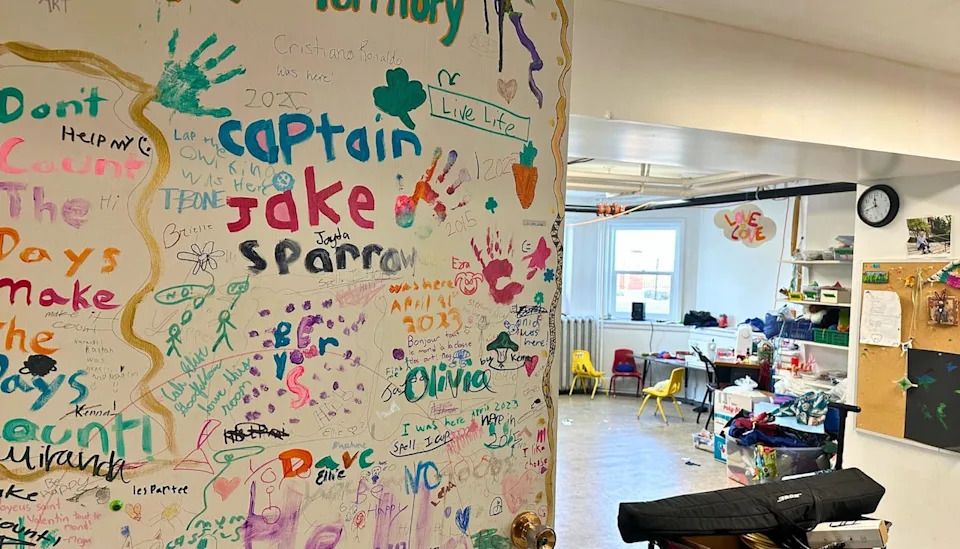
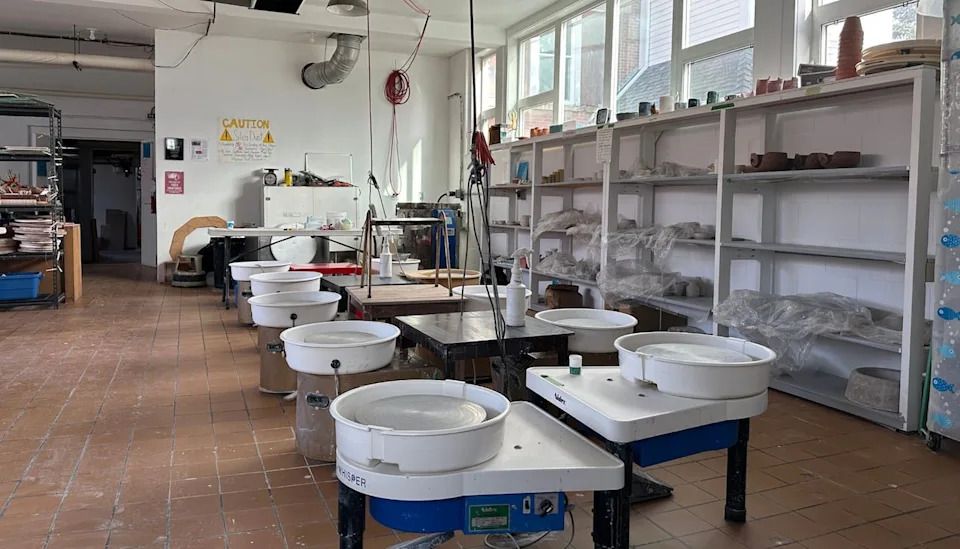
Today, the building is full and busy: a public pottery studio and children’s art programs use the basement; a gift shop with more than 60 local artists can be found on the main floor; concerts, an art gallery, meeting rooms and more than 14 different accountants, massage therapists and other businesses occupy space there.
Advertisement
Advertisement
Advertisement
Advertisement
It still requires grants and the town’s support to be sustainable. But its future is looking better than ever, says Kassandra Chancey, executive director of the Allied Arts Council of Pincher Creek, the building’s core tenant.
Kassandra Chancey, executive director of the Allied Arts Council of Pincher Creek, sits in the Lebel Mansion's concert space. (Elise Stolte/CBC)
“I would say that over the last 10 years, this is the most solid I've ever seen the support of the community and the town for this space,” she said.
“To be cliché, it’s a lot of blood, sweat and tears and just really caring about it.”
LISTEN | Meet Wayne Oliver, mayor of Pincher Creek:
CBC News was in Pincher Creek — population 3,600 — in December as part of its ongoing Out Your Way initiative, meeting with community members in small towns across Alberta.
Advertisement
Advertisement
Advertisement
Advertisement
When we heard about the mansion, we decided to take a tour and see what led to its success.
A long history
Chancey said the mansion was built in 1910 by the Lebel family, who moved from Quebec and built the town’s general store. In 1924, it was converted into a Catholic hospital, with a large east wing added.
That’s one reason why the building holds a special place in the hearts of some local residents.
“It still happens on a regular basis [that someone will say], 'I was born here, we lost my mother here' — all the stories. It just represents something really dear to people,” said Chancey.
The Lebel Mansion has a children's studio space in the basement where a group of kids can pursue their own creative projects. (Elise Stolte/CBC)
When the hospital closed, the building sat empty for two years in the 1980s.
Advertisement
Advertisement
Advertisement
Advertisement
Former town councillor and Allied Arts board member David Green remembers that time.
“We had board meetings in the Lebel Mansion where there was no heat, no water, no light. But the group was so enthusiastic, there was just no turning back from it.”
It was a handful of local artisans who created the plan to save the building. Green said key to saving the building was developing a solid plan and being very transparent with community members as they tried to build support.
The Lebel Mansion houses a pottery studio and kiln in the old hospital laundry. (Elise Stolte/CBC)
“Nothing was hidden. Nothing was kept in the background. So through that process, they identified and they attracted stakeholders and opinion leaders in the community,” he said.
Advertisement
Advertisement
Advertisement
Advertisement
“There were certainly lots of those folks that just wanted to bulldoze the thing and put a housing development up there. … [But] throughout that whole process they explored avenues of flexibility. They were working hard to find money.”
A ghost on the stairs
Eventually, the group won over enough support. The building got historic designation and the group received a grant to take down the east addition, as well as perform numerous other upgrades.
Then they reopened as an arts and community hub.
And they still work to make the building meaningful to as many people as possible.
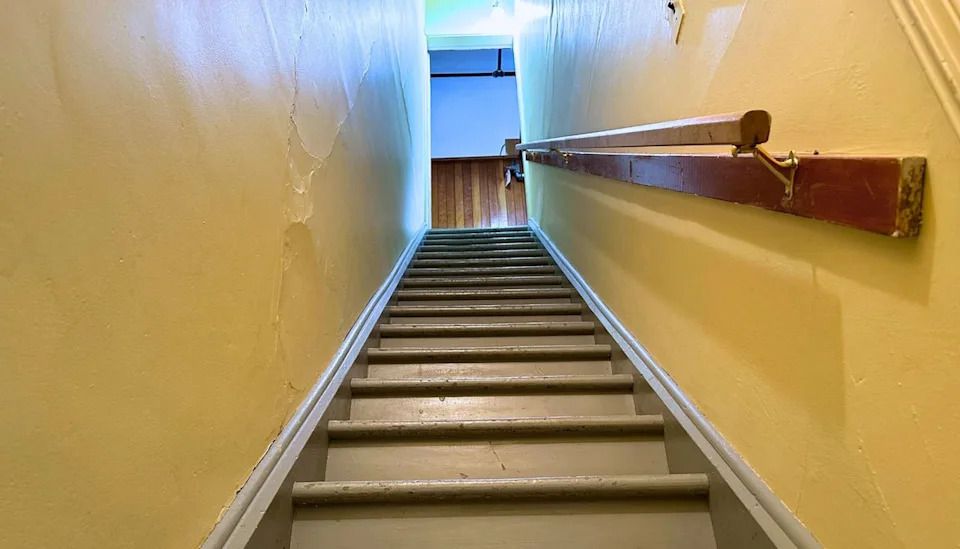
That includes kids. Green is also the author of the local ghost story, Evangeline, which describes a figure that haunts a narrow staircase to the attic. The nun’s spirit is stuck there and takes a piece of a person’s soul each time they pass until their spirit cannot leave either.
Advertisement
Advertisement
Advertisement
Advertisement
“Every year, especially around Halloween, we still get a bunch of, usually, like 10-year-old and under little kids who want to come in and find her. But quite a few of them won't even walk up the stairs," said Green.
In David Green's story Evangeline, the ghost of a nun haunts this stairwell. (Elise Stolte/CBC)
Broad community support is essential, Chancey says. She tries to think of many different ways to draw people in — almost person by person, asking what this building can mean for them.
Several years ago, volunteers raised money to add an elevator, selling old bricks from the original extension one-by-one to pay the bills.
The gift shop has also been a huge help, Chancey said. It now stocks works from between 60 and 70 artists, mostly from the area but some from farther afield.
Advertisement
Advertisement
Advertisement
Advertisement
After the pandemic shutdowns, her team started hosting large outdoor concerts with hundreds of community members sitting throughout the rose garden and east lawn.
“Our free outdoor programs with live music were really amazing,” she said. “They started around 2021-2022 [when] parts of our community were not connecting with each other. The concerts were a space where people could come together again safely and happily and kind of enjoy something they had missed. That helped a lot.”
Outdoor concerts take place in the rose garden and across the east lawn at the Lebel Mansion. (Elise Stolte/CBC)
'A steward of the building'
Edmonton’s Ortona Armoury and Calgary’s old YMCA both followed a similar model where space was rented to community arts organizations and non-profits. But both have struggled to get the funding for ongoing maintenance.
Advertisement
Advertisement
Advertisement
Advertisement
The Ortona Armoury reopened to artists, but its renovations grew from an initial estimate of $3.2 million in 2015 to a final cost of $16 million in 2024. Calgary’s YMCA got a lifeline recently when council approved a $1-million plan to scope out needed renovations for the now empty facility.
Dave Chalmers, owner of Chalmers Heritage Conservation, says it’s common for heritage and art to come together, since private real estate investors often see these buildings as too risky.
The main floor of the Lebel Mansion now hosts a popular gift shop and an art gallery, as well as offices. (Elise Stolte/CBC)
He said federal banking policy makes it easier to finance new construction, the regulations around renovating historic structures drive up the costs, and recent inflation just compounds those challenges.
“But we all know there’s a strong community benefit to preserving these buildings. That’s been well documented,” he said.
Advertisement
Advertisement
Advertisement
Advertisement
He counsels community groups to think carefully about how the building will generate money to cover future maintenance and to spend time investigating the state of the building.
“Nobody really owns these things, because the idea is to keep them in perpetuity. You're really just a steward of the building.”
تم ادراج الخبر والعهده على المصدر، الرجاء الكتابة الينا لاي توضبح - برجاء اخبارنا بريديا عن خروقات لحقوق النشر للغير


