


اخبار العرب-كندا 24: الجمعة 19 ديسمبر 2025 01:20 مساءً
A grim cleanup effort is underway in Abbotsford, where an estimated 175,000 birds died in last week’s flooding — the latest crisis to hit B.C.’s poultry farms.
While the emergency is not expected to impact chicken or egg prices or the availability of turkey ahead of the Christmas holidays, it is a blow to an industry already reeling from a multi-year avian flu outbreak that has seen about 10 million birds die since December 2021.
Earlier this week, the B.C. premier toured part of the flood zone, where he said a farmer showed him photos of the mud-filled barns where his birds drowned.
Advertisement
Advertisement
Advertisement
Advertisement
David Eby said the farmer had been through three floods within five years and is “seriously asking” himself whether he is able to continue farming.
“Just an awful, awful cleanup operation ahead of them and a devastating set of impacts that they’ve faced just trying to deliver their business,” he said.
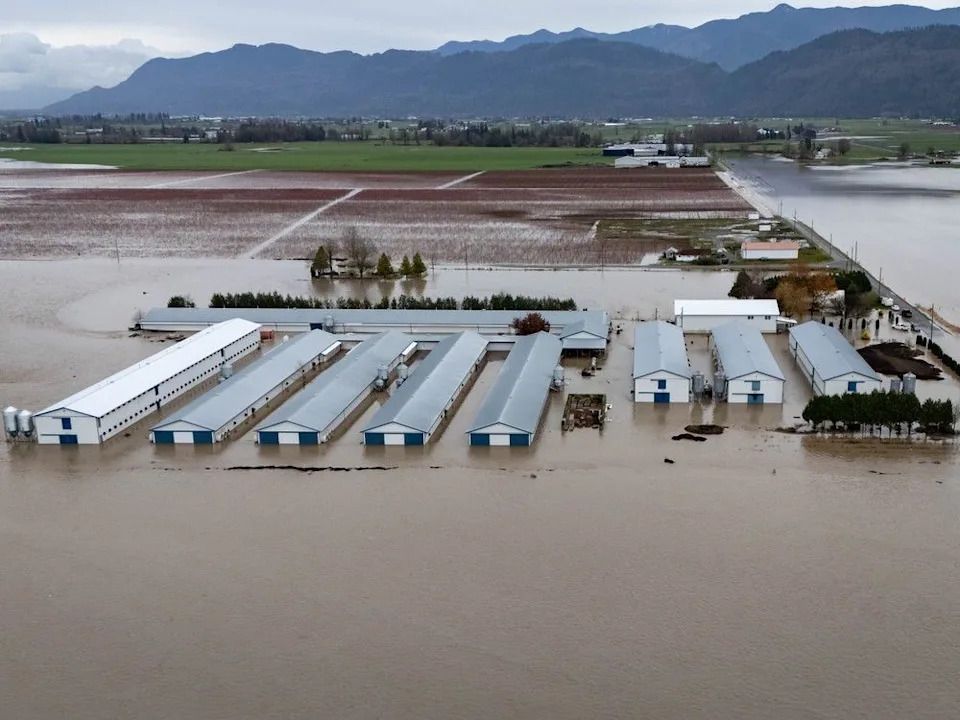
Flood water surrounds several Abbotsford poultry barns on Dec. 11.
Shawn Hall, director of B.C. Poultry’s emergency operations centre, said an estimated 175,000 birds on six farms died as a result of the flooding last week. There were 14 poultry farms in the evacuation zone, but many farmers waged an all-night battle to keep the water out of their barns. In some cases, sandbags held back the water, while in others they did not.
“It’s been a challenging few months for B.C.’s poultry farmers, with flooding happening in the middle of an avian influenza outbreak,” he said.
Advertisement
Advertisement
Advertisement
Advertisement
Hall said 33 B.C. flocks, not all farms, have also been infected with avian influenza this fall. While that number is less than last year, when about 80 premises were infected, the dual emergencies are “devastating” for B.C. farmers, many of whom run multi-generational family businesses.
Standing in the driveway of his son’s chicken farm as the water rose around him last Thursday, Mark Driediger told Postmedia he felt sick knowing there was nothing more he could do.
He said his son lost thousands of birds in the 2021 flood. Last year, his flock was hit with avian influenza and had to be culled.
“It’s one thing to do it once, but this is insanity,” he said. “Hoping it won’t happen again isn’t a great plan. We have to come up with something better.”
Advertisement
Advertisement
Advertisement
Advertisement
Matt Dykshoorn, another Abbotsford farmer who spoke to Postmedia during the flooding, lost his flock in 2021 and again last week.
“We spent the last four years picking up and rebuilding, and now we’re looking at doing it again,” he said. “This makes it really hard to invest back into the farm. You wonder what for? We’re just going to drown again.”
Angela Groothof, a hatching egg farmer who lives in Sumas Prairie but did not get caught in the flooding, called for better compensation.
The Christmas season brings a mixture of joy and uncertainty, she said. Four years into an avian flu outbreak, she associates early winter with the virus that has decimated hundreds of B.C. poultry flocks.
Advertisement
Advertisement
Advertisement
Advertisement
“I love Christmas. I love the true meaning of Christmas. But I still get uncertain. Is my farm going to go down this year?”
With 241 premises impacted by the virus since December 2021, B.C. poultry farmers have grown accustomed to uncertainty. But Groothof said that doesn’t make it any easier.
“The loss of our flocks is brutally hard,” she said. “You take care of your animals and they take care of you.”
It’s also financially difficult. Farmers receive federal financial compensation to replace their flock, but not for loss of income. As different types of poultry operations raise birds for different amounts of time, those that produce hatching eggs or chicks may lose an entire year’s income because they don’t have product to sell.
Advertisement
Advertisement
Advertisement
Advertisement
“If you get hit with (avian influenza) too many times, you’re done. It’s very hard to keep going without income for that long,” she said.
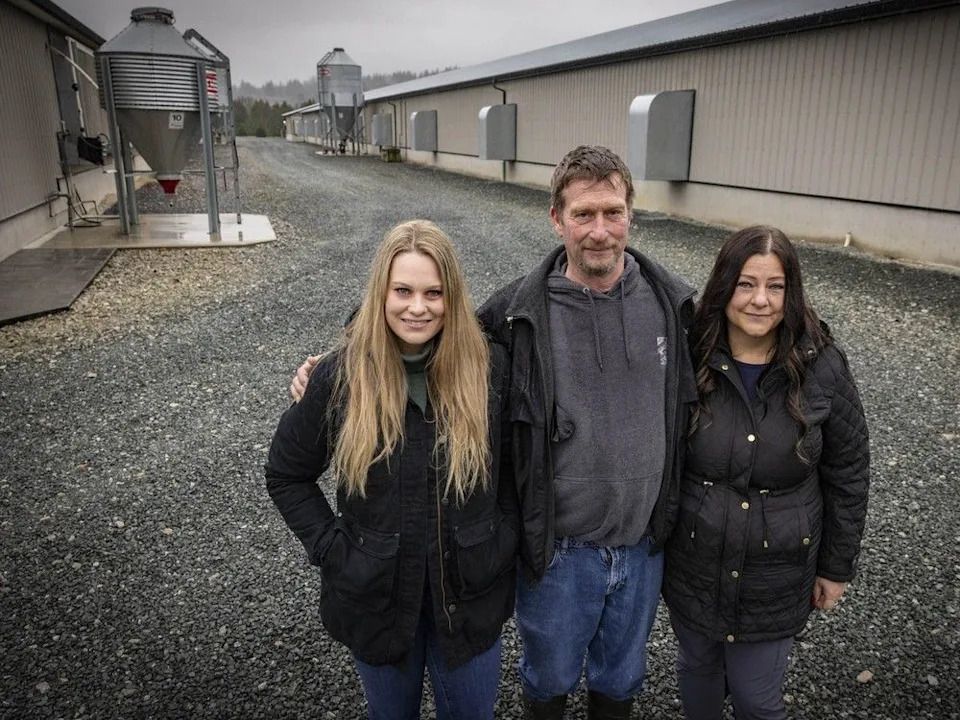
Angela Groothof (right) said flooding brings back memories of 2021, when more poultry farms were impacted. “Emotionally, economically, it was a really tough time.”
Hall said supply management allows B.C.’s poultry industry to weather emergencies like flooding and avian flu by reaching out to other provinces for eggs and meat when supplies are low. He is not certain if that will be necessary this time, but it would ensure that grocery stores shelves remain stocked. The system also keeps prices steady, he said.
“Supply management sets the price that farmers get paid, and that doesn’t change with this emergency,” he said. “Our expectation is that we shouldn’t notice any price differences.”
But he said the “concurrent emergencies” are devastating for farmers.
Advertisement
Advertisement
Advertisement
Advertisement
“The Fraser Valley feeds us,” he said. “It is a vitally important region in terms of the food we put on our tables. We look forward to sitting down with other levels of government to discuss lessons learned, and we are optimistic it will result in action.”
gluymes@postmedia.com
Related
تم ادراج الخبر والعهده على المصدر، الرجاء الكتابة الينا لاي توضبح - برجاء اخبارنا بريديا عن خروقات لحقوق النشر للغير


