



اخبار العرب-كندا 24: الخميس 8 يناير 2026 04:32 مساءً
Alberta teachers are finding literacy and numeracy screening tests for early-years students to be unhelpful and, in some cases, frustrating.
A recent survey from the Government of Alberta asked nearly 3,600 people, the vast majority of whom who were educators, about the utility of these mandatory assessments for students from kindergarten to grade three.
Of 3,100 respondents, almost 74 per cent didn’t think the screenings helped educators understand student skills or helped get the information needed to aid with early intervention.
Advertisement
Advertisement
Advertisement
Advertisement
These findings come after the screenings were written into legislation in November, and were originally introduced in 2022.
Education Minister Demetrios Nicolaides has said the assessments would help identify student needs and ensure they received assistance early on.
The province has described the screenings as “short” and “simple” activities that gauge literacy and numeracy. The assessments are not graded tests and are intended to measure a student’s cognitive ability.
In a Thursday statement, the Alberta Teachers’ Association said the survey confirms the concerns teachers have with the mandatory testing.
Advertisement
Advertisement
Advertisement
Advertisement
“They contain developmentally inappropriate content, may negatively impact students, produce data of limited instructional value and are not paired with adequate targeted supports,” ATA president Jason Schilling said in the statement.
In an earlier statement to Postmedia the ATA noted that the survey found that 86.6 per cent of respondents believed funding staff to assist with interventions is very important. The ATA said in its most recent statement that the survey also indicates that teachers want a more personal approach.
“Teachers emphasized that timely, targeted interventions — such as small-group or one-on-one instruction — are essential.”
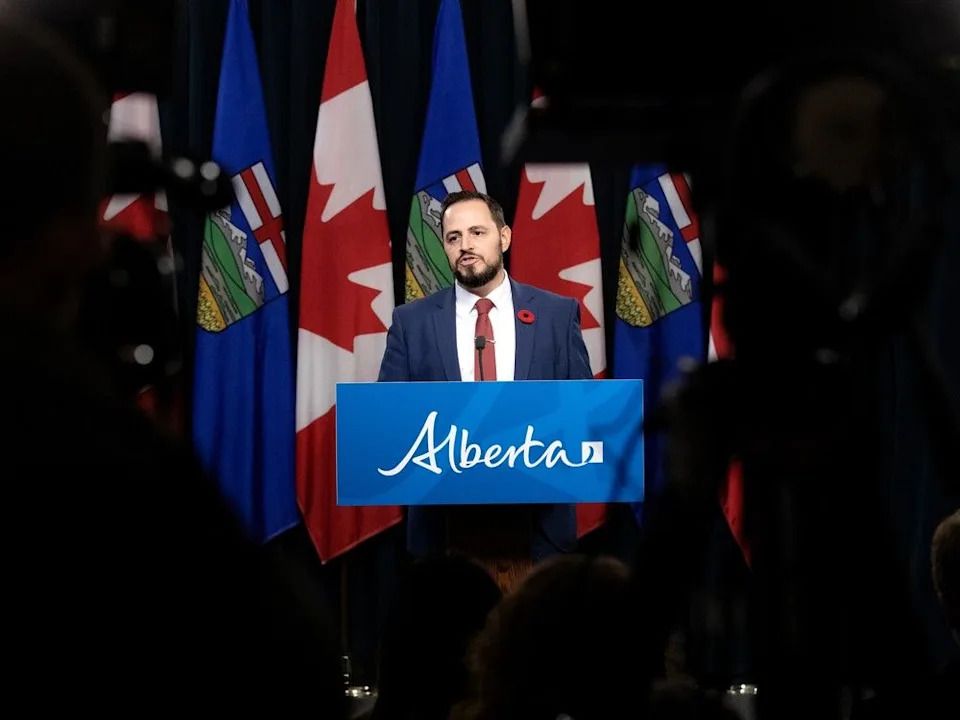
Education Minister Demetrios Nicolaides at a press conference at the Alberta legislature, in Edmonton on Monday, Nov. 3, 2025.
Teachers don’t ‘trust’ the results
Tyson Mastel, president of the North Alberta Reading Specialists’ Council and Edmonton principal, said an important finding was that teachers were feeling overwhelmed by the screeners and the data entry that came with them. Mastel said it was taking away from instructional time early in the year, which he says is a crucial time to set routines.
Advertisement
Advertisement
Advertisement
Advertisement
Another finding of note for Mastel, was that around three quarters of teachers chose not to share the screening results with parents.
“It speaks to the fact teachers aren’t necessarily trusting the results of the tests.”
November’s legislation, Bill 6, will now make it so that teachers are required to share those results with parents.
Mastel also said in many cases the screenings are being presented too early, and are testing students on skills they haven’t had the chance to develop.
Grande Prairie teacher Peter MacKay says the survey results match with what his colleagues are finding, and that the screenings have unreliable results.
Advertisement
Advertisement
Advertisement
Advertisement
MacKay said two of his colleagues mistakenly screened the same class twice but were surprised when they had markedly different results.
MacKay and Mastel agree that screenings would be more helpful to teachers if they were connected to funding to help provide supports and resources to aid in early interventions.
“It’s a little bit like doing medical screeners and then telling the person we don’t have funding to give you medical care should the test reveal something,” MacKay said.
The survey’s results come a few months after a labour dispute between the ATA and the province, in which the government wrote legislation invoking the not-withstanding clause to force teachers back to work.
Alberta Education is doing the right thing: U of A prof
Dr. George Georgiou, a professor in the faculty of education at the University of Alberta, said that Alberta Education is doing the right thing to mandate screening and interventions, but that teachers are not responding well due to the high tensions around education resulting from the labour dispute.
Advertisement
Advertisement
Advertisement
Advertisement
“No matter what Alberta Education proposes, it’s not perceived with any good faith from teachers.”
Georgiou said many other provinces have found that literacy is a human right and have also legislated mandatory screenings on the basis of that human right. Manitoba, Saskatchewan, and Ontario have all legislated mandatory literacy screenings.
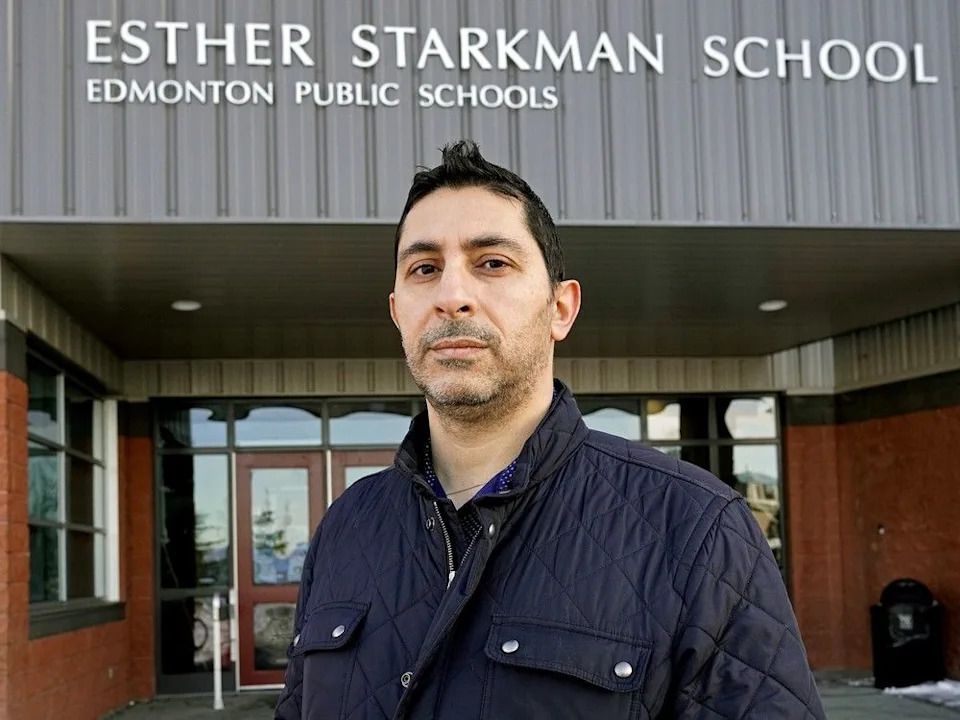
University of Alberta educational psychology professor George Georgiou.
In Alberta, Georgiou said the province has provided screenings to teachers for free, but noted that they’re also able to use any assessments of their choice even ones they might have been using for a long time.
When asked about the workload concerns that teachers had around assessments, Georgiou called it “a trivial issue,” and said that assessment shouldn’t be viewed as an additional work, but is a regular component of education.
Advertisement
Advertisement
Advertisement
Advertisement
“If you think of it as additional, extra to what we are doing in schools, then you don’t understand the role of assessment.”
Georgiou was also one of the people tapped by the province to help support them on deploying the screeners, and created the local norms and cut-offs that help teachers identify who is struggling. The assessments, Georgiou said, come from experts and have been proven to be effective.
Alberta Education also provides Georgiou’s own reading intervention program to teachers for free, he said.
Darryl Hunter, another professor in the faculty of education at the University of Alberta, says the findings reflect the concerns voiced by teachers during the labour action.
Advertisement
Advertisement
Advertisement
Advertisement
“They’re saying quite clearly that they don’t feel supported in what they’re doing,” Hunter said.
One of the main concerns voiced by the ATA was around class sizes. Hunter said manageable sizes are especially important at the elementary level, as teachers need time to work with students.
“What I interpret in this report is that elementary teachers are feeling overwhelmed.”
The survey’s results suggests teachers were frustrated with the time and effort required to administer screeners, and overwhelmed by the volume of data entry required. It also suggested there was a desire for more professional discretion in choosing and administering screeners.
Advertisement
Advertisement
Advertisement
Advertisement
Hunter says the problems with the screeners won’t be solved by simply providing teachers with more materials. He said teachers will likely need more time and support to interpret and utilize screeners, in order for them to work.
Responding to a request for comment, Education Minister Demetrios Nicolaides said these kinds of screenings are useful in identifying learning disabilities and are recommended by many national and international organizations like Dyslexia Canada and the Ontario Human Rights Commission.
“We will use feedback from the report to improve delivery of these screeners,” Nicolaides said.
lnewbigging@postmedia.com
Related
Bookmark our website and support our journalism: Don’t miss the news you need to know — add EdmontonJournal.com and EdmontonSun.com to your bookmarks and sign up for our newsletters here.
You can also support our journalism by becoming a digital subscriber. Subscribers gain unlimited access to The Edmonton Journal, Edmonton Sun, National Post and 13 other Canadian news sites. Support us by subscribing today: The Edmonton Journal | The Edmonton Sun.
تم ادراج الخبر والعهده على المصدر، الرجاء الكتابة الينا لاي توضبح - برجاء اخبارنا بريديا عن خروقات لحقوق النشر للغير


