



اخبار العرب-كندا 24: الثلاثاء 6 يناير 2026 05:39 مساءً
What happens when two people are convicted of stabbing a man, but neither of them was proven to be holding the knife?
When it comes to sentencing, it turns out, the judge has to treat each of them as though the other was the stabber.
That is the case for Ashtin Ritzand and Colton Lischka, who were convicted after the judge in their trial decided one of them killed James (Ed) Swift and injured Virginia Belhumeur by stabbing both of them in their necks, but couldn't say for sure who did it.
Advertisement
Advertisement
Advertisement
Advertisement
The altercation happened on Aug. 29, 2022, at a rural intersection just outside Saskatoon. The parties didn't even know each other before that night. Events kicked off when Swift was struck, or nearly struck, by a vehicle driven by Ritzand and Lischka's friend, Anthony Burley, in an off-sale liquor store parking lot.
Somehow, all five people ended up going back to Burley's home, then leaving to buy cocaine. On the way home from that errand, an argument broke out in the back seat between Burley and Swift. Ritzand, who was driving, was distracted and took a wrong turn, according to his lawyer. They ended up just north of Saskatoon, near Wanuskewin.
Court heard conflicting testimony about what happened when Ritzand stopped the car to turn it around. But ultimately, Swift was stabbed twice in the neck, then Belhumeur was stabbed four times in the neck.
The other three people left them in the ditch.
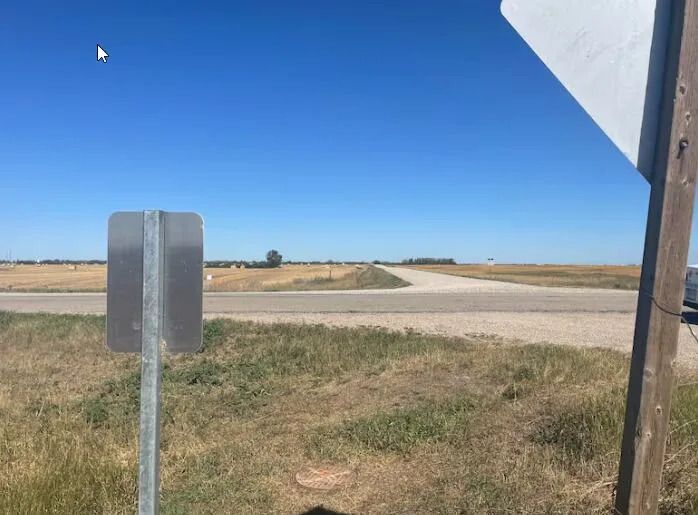
(Dan Zakreski/CBC News)
Charges laid
Ritzand, 32, and Lischka, 31, were charged with second-degree murder and attempted murder, but pleaded not guilty. Burley was also charged in relation to the incident. He ultimately pleaded guilty to being an accessory after the fact and received a three-year sentence.
Advertisement
Advertisement
Advertisement
Advertisement
Ritzand and Lischka went to trial, and Justice Michael Tochor found them not guilty as charged, but guilty of the lesser included offences of manslaughter and aggravated assault. He delivered his verdict on Oct. 30, and the parties returned to Saskatoon Court of King's Bench on Tuesday for sentencing arguments.
Crown prosecutor Paul Scott argued for a sentence of 10 to 12 years, given the severity of the offence, and the fact that "two people met some new friends and ended up in a ditch in the dark in the middle of nowhere," where they were stabbed in the neck and left to die.
James Swift was 40 years old when he was stabbed and died on Aug. 29, 2022. (James Swift/Facebook)
Belhumeur, reading her victim impact statement, said the fear and anxiety has stayed with her since that day three and a half years ago. She's afraid of being in public, afraid of being in a vehicle with anybody, afraid to be home alone, afraid of the dark.
"I live in constant fear, for good reason and for no good reason, sometimes," she said.
Advertisement
Advertisement
Advertisement
Advertisement
She called Swift her best friend, and said she has not been able to recover yet from watching him die and almost dying herself.
Defence positions
Lawyers for Ritzand and Lischka argued for sentences closer to the lower end of the range for manslaughter, which is generally between four and 12 years in Saskatchewan.
Both pointed out that prior case law involving offenders who received longer sentences were cases where the accused was the primary person who acted to kill someone. That's not the case here, where, essentially, neither Ritzand nor Lischka was holding the knife, according to the judge's findings.
Advertisement
Advertisement
Advertisement
Advertisement
"I created that," Tochor acknowledged during arguments, noting he has to treat each man as though the other was the stabber.
The sentencing positions for the two men were different, however, as Lischka has been out of custody while Ritzand has been in custody since he turned himself in on Aug. 30, 2022.

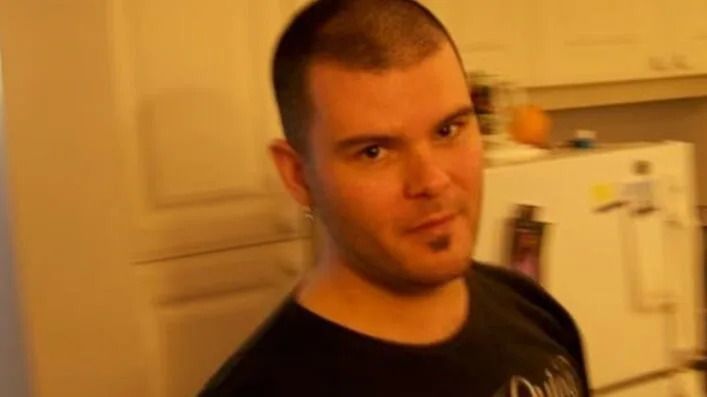
Colton Lischka's lawyer filed 22 reference letters at his sentencing hearing on Tuesday. (Colton Lischka/Facebook)
Lischka's lawyer, Nicholas Stooshinoff, argued for a four-year prison sentence. He filed 22 reference letters on Lischka's behalf, and noted his client has no criminal record.
"This is a man who, if anything, engaged in an act not of his making, not of his intention, and has made a horrible mistake," Stooshinoff said.
Advertisement
Advertisement
Advertisement
Advertisement
Ritzand's lawyer, Blaine Beaven, argued for a sentence equivalent to seven years, consisting of time served (Ritzand's time on remand equates to just over five years of remand credit) plus a conditional sentence order of two years less a day.
That would be followed by two years of probation, meaning that while Ritzand would be released from custody (if the judge accepts the recommendation), he would be subject to supervision for a further four years.
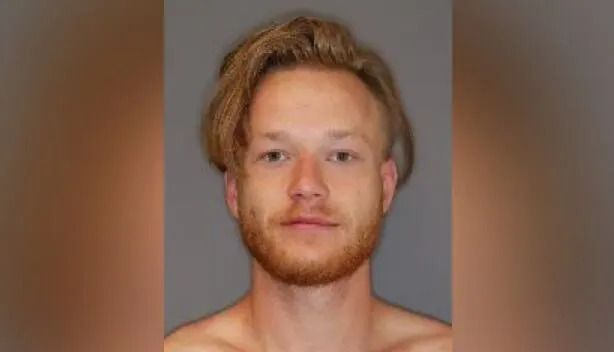
Ashtin Ritzand has been on remand since he turned himself in to police on Aug. 30, 2022. (Saskatchewan RCMP)
Ritzand has made "extraordinary" effort to access programming while he's on remand, Beaven said in an interview outside court.
"From Day 1 … he started working on himself because he knew he had issues and he was taking advantage of the opportunities he had … to better himself," Beaven said.
Tochor is scheduled to give his sentencing decision on Jan. 30.
تم ادراج الخبر والعهده على المصدر، الرجاء الكتابة الينا لاي توضبح - برجاء اخبارنا بريديا عن خروقات لحقوق النشر للغير


