




اخبار العرب-كندا 24: الاثنين 5 يناير 2026 06:20 صباحاً
Manitobans should expect higher cabin and home insurance premiums in 2026, one expert says, after a 2025 fire season that destroyed at least 130 properties in the province and forced more than 32,000 people to leave their communities.
Owners may also encounter new caps on payouts or exclusions in their policies that won’t cover certain hazards or parts of a property, or may find insurers will not provide coverage at all, said Jason Thistlethwaite, an assistant professor at the University of Waterloo's school of environment, enterprise and development.
"Insurance is a business, and they’re going to be looking to recoup those losses," said Thistlethwaite, who studies the economic impacts of climate risk and natural disasters.
Advertisement
Advertisement
Advertisement
Advertisement
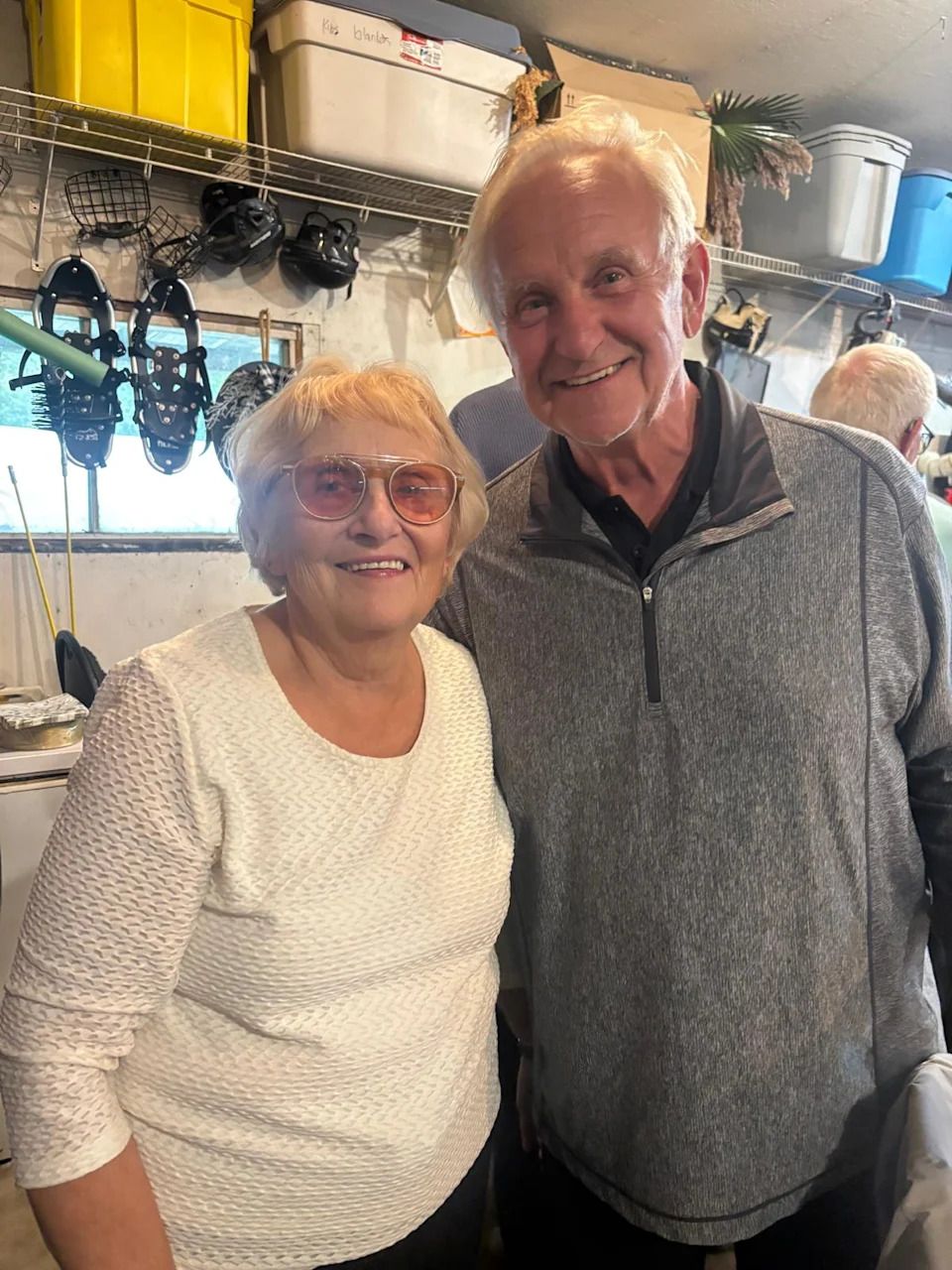
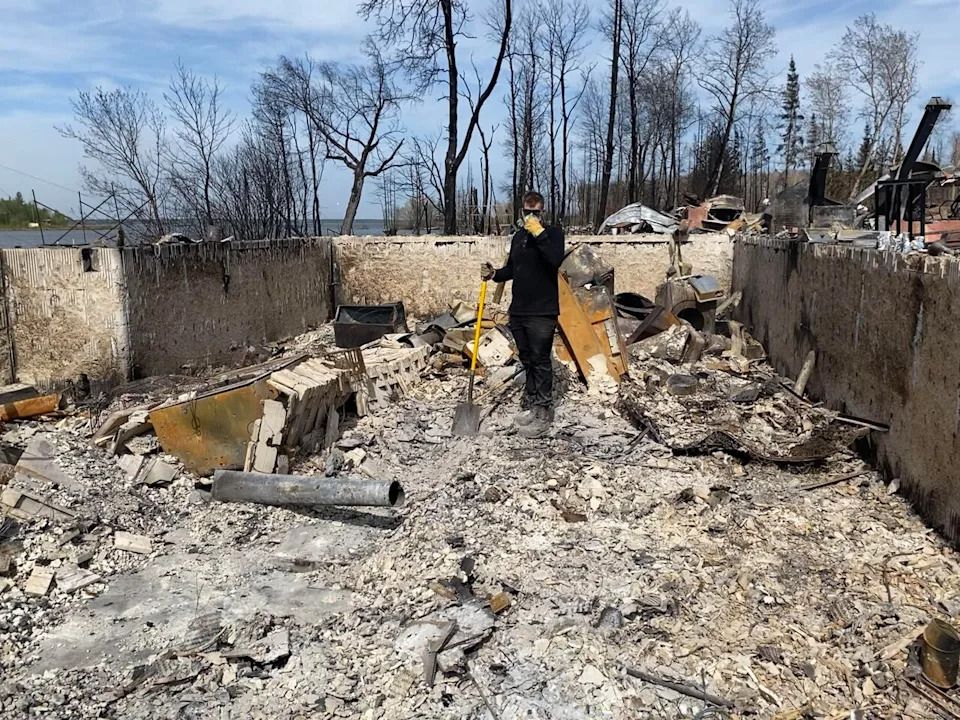
Liane Ross-Martin and her husband, Ed Martin, lost their family cabin in the rural municipality of Lac du Bonnet in a fast-moving wildfire last May. Their Wendigo Road cabin was among 28 properties destroyed along that stretch in the RM, northeast of Winnipeg.
More than seven months later, the couple say they’ve had to deal with limited insurance options and about $1,400 more in annual premiums, while also navigating the prospect of rebuilding —experiences Ross-Martin described as "excruciating."
Ed Martin and Liane Ross-Martin say they didn't have enough insurance to replace everything they lost after a wildfire destroyed their cabin last May. (Submitted by Ed Martin)
They had enough insurance "to rebuild, for sure, but not to replace," she said last week.
"Everything was gone, so we didn't have enough in our contents insurance to replace, and we didn't have enough to cover our garage."
Advertisement
Advertisement
Advertisement
Advertisement
That compelled the couple to shop around for more comprehensive insurance, but they discovered many providers weren’t interested in taking them on due to the complete loss of their cottage and the recent wildfires.
"I went through one, two, three, four, five places until I finally got somebody who would sit down with me," Ross-Martin said.
The pair built their cabin in 2019, and they say the estimated cost to rebuild now is about 50 per cent more.
That's part of the reason their maximum insured value wasn’t enough, something they believe their insurance company should have warned them about.
Ed Martin and Liane Ross-Martin say they looked around for a more comprehensive cabin insurance policy after a wildfire destroyed their property, but were met with hesitation from insurers. (Prabhjot Singh Lotey/CBC)
"We just renewed every year without really looking at the details," Martin said.
Advertisement
Advertisement
Advertisement
Advertisement
They said they’re speaking out now to encourage others to ask questions about their policies and prepare for a complete loss of their property.
Severe weather driving up insurance rates
Canada experienced more than $2 billion in insured damages in 2025, according to the Insurance Bureau of Canada.
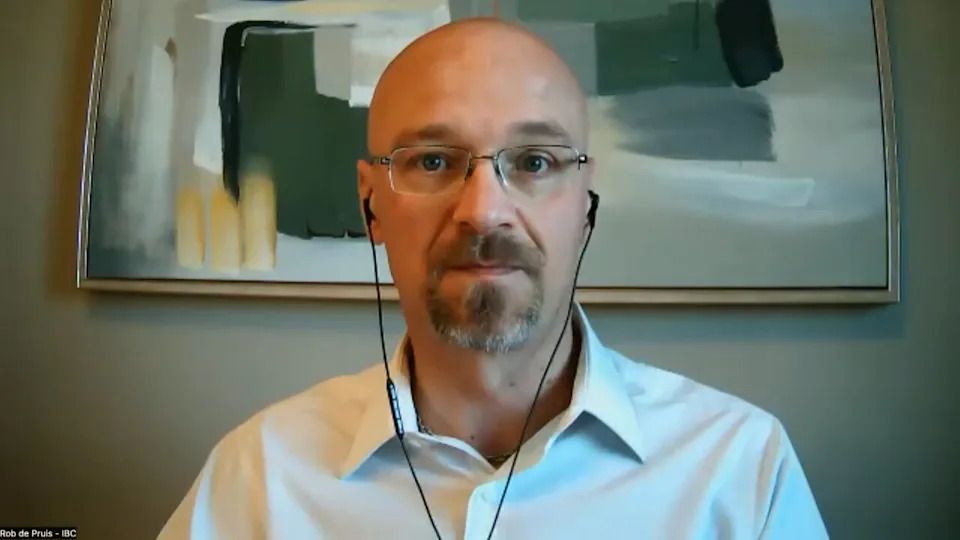
The damage caused by the wildfire near Flin Flon, Man., more than 600 kilometres northwest of Winnipeg, accounted for over $200 million, said Rob de Pruis, the trade association's national director of consumer and industry relations.
This comes on the heels of a record $9 billion Canadian insurers paid out in 2024.
Advertisement
Advertisement
Advertisement
Advertisement
Severe weather events are driving up the cost of premiums, as are the rising cost of construction and skilled labour shortages, de Pruis said.
Rob de Pruis, the national director of the Insurance Bureau of Canada, says the rising cost of construction, skilled labour shortages and severe weather events are driving up insurance premiums. (Luke Carroll/CBC)
Companies are constantly assessing their overall risk portfolio and may decide not to renew policies for certain people, he said.
"It’s just important to remember that there’s many different insurance providers in Manitoba, and if you’re faced with high insurance costs or you’re not able to get a renewal, to make sure that you shop around," de Pruis said.
"Fire insurance continues to be and will continue to be available in Manitoba for the foreseeable future."
Government-backed insurance overdue: prof
Companies, however, usually don’t sell new insurance policies to prospective cabin and home owners while their communities are under imminent threat, de Pruis said.
Advertisement
Advertisement
Advertisement
Advertisement
That's what Reg and Sadie Harder found last year, as they finished building their off-grid home in Manigotagan, about 150 kilometres northeast of Winnipeg.
The retired couple had already been speaking with an insurance provider when a wildfire tore through Nopiming Provincial Park in mid-May, the pair’s son-in-law Rejean Robert told CBC last week.
The flames came within about 40 kilometres of Manigotagan, according to a federal fire map.
Winnipegger Rejean Robert says his in-laws, Sadie and Reg Harder, pictured here, lost their newly built home in Manigotagan to a Boxing Day fire. (Submitted by Rejean Robert)
The insurance company told his in-laws it was holding off on insuring new properties in the region "until they knew the muskeg was no longer smoldering underground," according to an online fundraiser for the Harders, and encouraged them to reach out again in January.
Advertisement
Advertisement
Advertisement
Advertisement
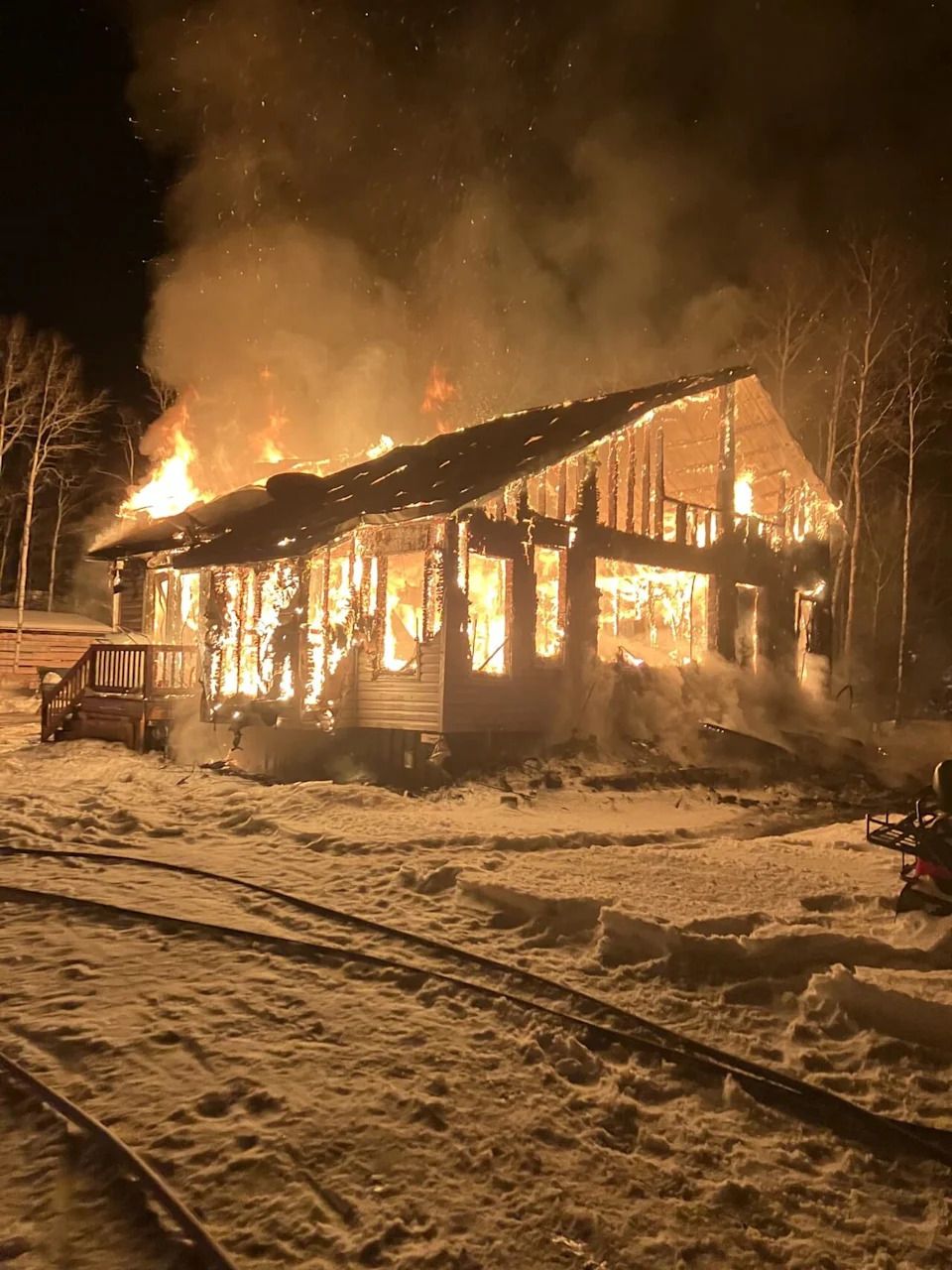
But before they could get the place insured, a generator caught fire and the house burned down on Dec. 26.
"They have literally nothing," said Robert.
It’s the second time the Harders have lost nearly everything to extreme weather, Robert said. In 2013, their home was devastated by record flooding in High River, Alta.
Reg and Sadie Harder's newly built home in Manigotagan burned down on Dec. 26. (Submitted by Rejean Robert)
According to the University of Waterloo's Thistlethwaite, insurance is the "next domino to fall" in the real estate market.
A bank won’t finance a mortgage without insurance, which would affect property sales, he said.
Canadians already pay some of the highest property insurance rates among peer countries, said Thistlethwaite, and Manitoba saw the second-highest increase in home insurance in 2025, according to a report by MyChoice Financial.
Advertisement
Advertisement
Advertisement
Advertisement
Canada’s lack of a last-resort government insurance system is a gap in the insurance market that partly explains why rates are rising, he said.

Jason Thistlethwaite, an assistant professor at the University of Waterloo's school of environment, is renewing calls for a federal property insurance program to help ensure Canadians have access to insurance. (Submitted by Jason Thistlethwaite)
Some other countries, including Germany, New Zealand and Spain, offer multi-peril coverage, Thistlethwaite said.
"Because they offset some of the risk with these high-risk homes, [it] means that insurance rates across the country go down, because it no longer means that insurance companies have to increase their premiums for other people."
The federal government has been working on a low-cost national flood insurance program since 2020.
sAhead of last year's federal election, the Liberal Party pledged to launch it in April 2026.
Advertisement
Advertisement
Advertisement
Advertisement
Public Safety Canada didn't confirm this date and says it continues to develop the program "to ensure it meets the need of Canadians most at risk and does not duplicate the work of the insurance industry," a department spokesperson wrote in an email.
Asked whether it was considering expanding the program to include other hazards, including wildfires, the department said that falls outside the scope of the work.
"We're going to have government intervention in the insurance markets, because we cannot have rates going up as quickly as we're seeing right now," Thistlethwaite said.
"Impacts on the mortgage market may be that domino that falls that could trigger a more concentrated look at this."
تم ادراج الخبر والعهده على المصدر، الرجاء الكتابة الينا لاي توضبح - برجاء اخبارنا بريديا عن خروقات لحقوق النشر للغير


