


اخبار العرب-كندا 24: الجمعة 2 يناير 2026 07:29 صباحاً
Construction on Marda Loop’s main streets project may have quieted down, but redevelopment work continues at several locations along 34th Avenue. This time, the focus is on preserving the street’s history.
In contrast to typical high-density redevelopments, construction company Leonard Development Group is repurposing single-family homes from the 1910s and other residential properties into boutique retail spaces for local businesses.
The group has already completed four redevelopments, consisting of seven original homes and a four-plex from the 1980s. Plans for a boutique hotel called The Dovecote are also in the works.
Advertisement
Advertisement
Advertisement
Advertisement
Rod Leonard, the owner and operator of the development firm, said with the loss of similar single-family homes along the adjacent 33rd Avenue, he wanted to preserve as many of the original structures as possible.
“What a lot of people dislike is when they see 100-year-old houses being torn down and being replaced by larger modern buildings,” Leonard said.
“Whenever I had an opportunity to buy one … I picked it up, because once they're torn down, they're gone, and you can't replicate them or replace them.”

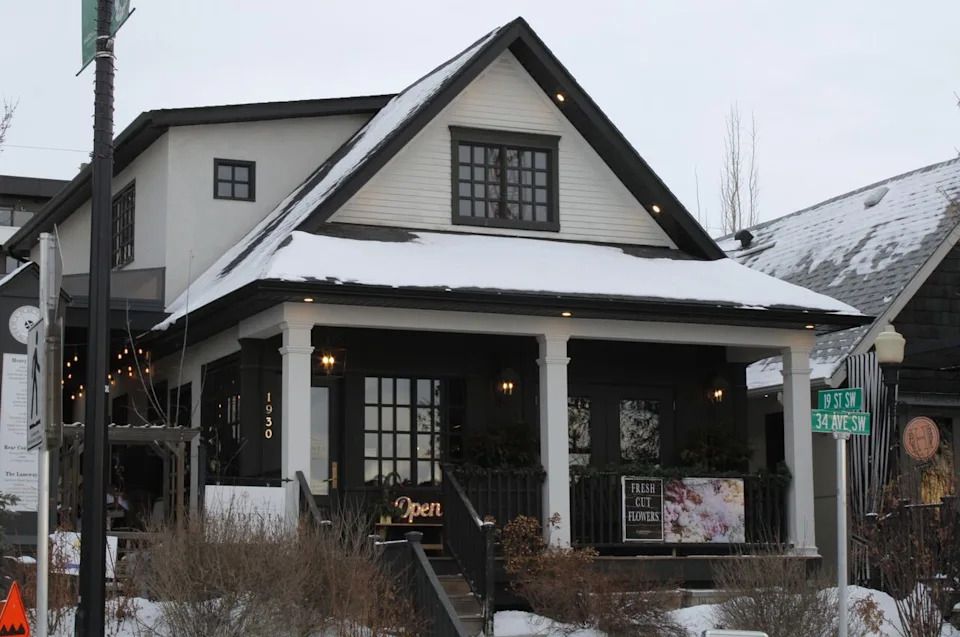
The Gardenia Flower Boutique used to be a single-family home. Developer Rod Leonard says he started buying up properties along the street whenever he had the opportunity. (Kelsea Arnett/CBC)
The street has long been considered a quieter alternative to 33rd Avenue. Leonard said he wants to preserve its quaint feel while transforming the area into a destination in its own right.
Advertisement
Advertisement
Advertisement
Advertisement
“With all the restaurants and the shops, and some of the beautiful things that the city has done to the neighbourhood, we’ll see it become more of a tourist hub here,” he said.
Supporting local businesses
The development group has added more than 30 retail spaces to the area since it began repurposing homes in 2018.
Part of the draw for local businesses has been the design of the developments, which blends the Edwardian-style homes with European-style "snickets" — narrow alleys or passageways between buildings — creating more spaces for micro-businesses to set up shop.
Vanessa Minicucci said the esthetic and options for a smaller space were the main reasons she chose the area for her jewelry business, Vienna at Marda Loop.
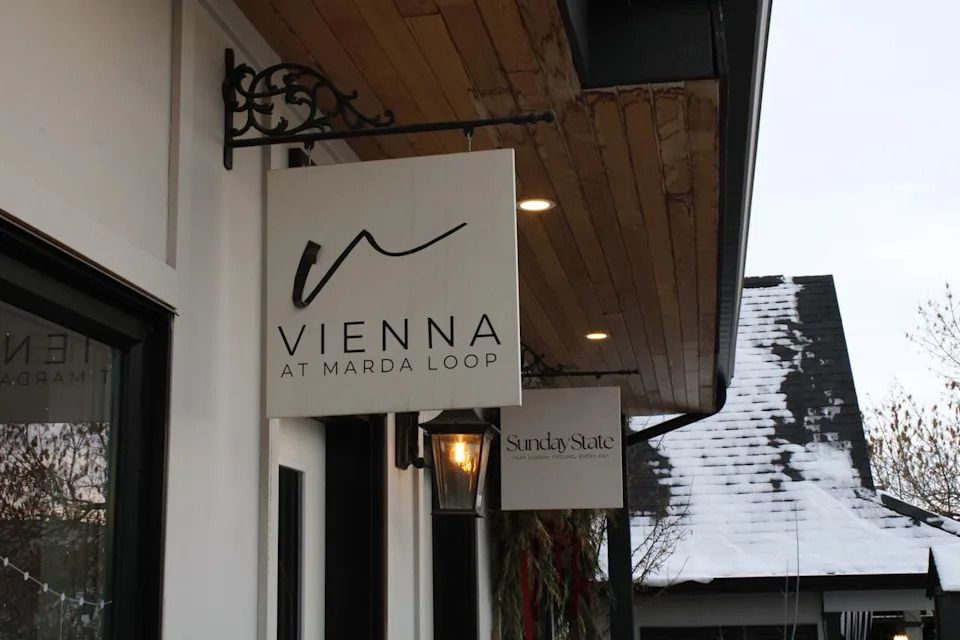
Vanessa Minicucci owns the jewelry shop Vienna at Marda Loop, located in the Henry Block on 34th Avenue. She says the smaller retail space is more manageable than some of the larger options that exist elsewhere. (Kelsea Arnett/CBC)
“Having that [smaller] space was vital and a lot more manageable because now you're not having to staff a team of 10 people just to have a store function,” Minicucci said.
Advertisement
Advertisement
Advertisement
Advertisement
She said the work to widen the sidewalks as part of the Marda Loop Main Streets program hurt her business, but the repurposing projects have her feeling optimistic about the area’s future.
“It's about creating an environment and an atmosphere and community,” she said. “And that I love, and I will always support endeavours like that.”
Leonard said his company has been working closely with other developers in the area, such as The Mancal Group, which is building a new mixed-use residential and commercial space on the street. Leonard said there has been an emphasis on complementing the style of the existing nearby structures.
“This block will just be a really neat, almost Hallmark movie kind of street — something a little bit more quaint and charming," Leonard said.
Street's development slow to take off
The area along 34th Avenue has historically been slower to develop, said Cynthia Klaassen, the heritage resources program manager with Heritage Calgary.
Advertisement
Advertisement
Advertisement
Advertisement
Initially marked as a section line when the Canadian government began dividing the Prairies into townships in the 1870s, the area was expected to grow in the early 20th century, with some homes beginning to appear alongside a main streetcar route, Klaassen said.
“Then the First World War came along in 1914 and all of that development just stopped."
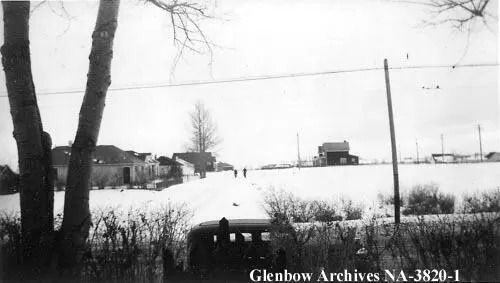
This image from 1946 shows a view of 14A Street from 34th Avenue S.W., just down the road from the homes Leonard Development Group is repurposing. Cynthia Klaassen with Heritage Calgary says the area remained largely undeveloped until the 1940s and 1950s. (Glenbow Library and Archives Collection)
By the 1940s, the city moved the streetcar line to 33rd Avenue as part of its shift to buses, establishing it as the main street and 34th Avenue as a secondary street. From there, homes were built and the road developed a more suburban feel, Klaassen said.
“If that hadn't happened, then 34th would continue to be the main business district,” she said. “It makes for an interesting dynamic having these two main streets running through the area.”
Advertisement
Advertisement
Advertisement
Advertisement
Klaassen thinks how Leonard Development Group has repurposed the homes is “so phenomenally creative."
Adaptive reuse not for the faint of heart
Reusing a structure for a purpose it was not originally designed for is known as adaptive reuse, but not every building is well-suited for it.
Flexibility, such as being able to open up closed residential spaces for retail purposes, is key, said Francisco Alaniz Uribe, an associate professor in the School of Architecture, Planning and Landscape at the University of Calgary.
“The other point is some of the materials are very difficult to work with,” Alaniz Uribe said. “When we have materials that have pollution in them, or toxic elements like lead or asbestos, that creates an extra problem that then limits what we can do with them.”

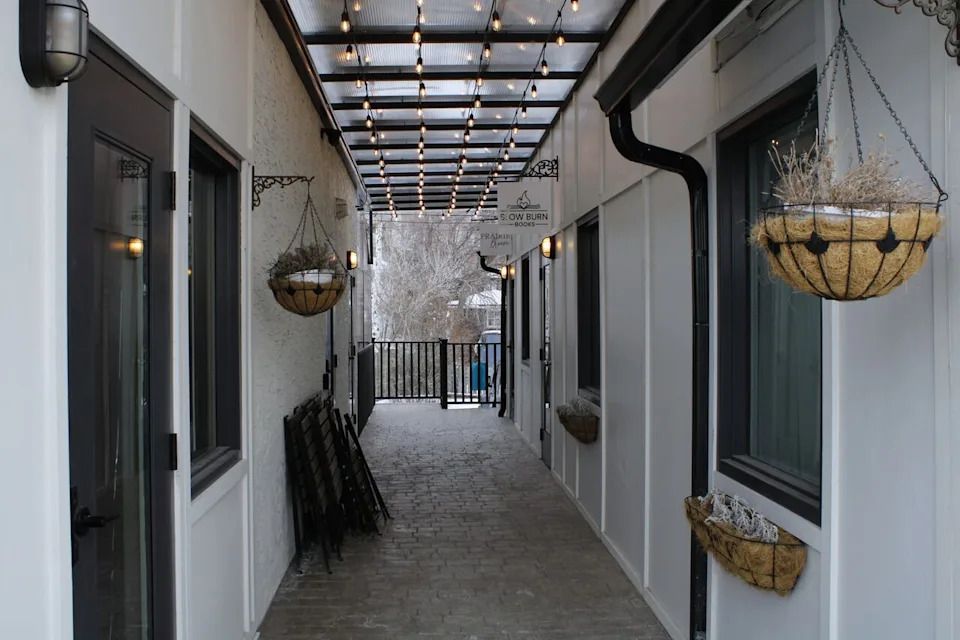
One of the 'snickets' between Leonard Development Group's properties along 34th Avenue. The narrow passageways create more space for micro-businesses to set up shop. (Kelsea Arnett/CBC)
Other challenges include getting an older building up to modern code standards, said Alaniz Uribe. That, combined with the cost of remediation for toxic materials, is often enough to deter developers from keeping an existing structure.
Advertisement
Advertisement
Advertisement
Advertisement
Another drawback of adaptive reuse is that it doesn’t always increase the density of an area, which Alaniz Uribe said is sometimes crucial for creating walkable, destination communities.
“We need to have more people living closer together so that they can support businesses, and at the same time they are able to reach more destinations within their community,” Alaniz Uribe said.
Still, Alaniz Uribe said, there are a number of social and environmental benefits of adaptive reuse.
He said all structures have a certain amount of embodied energy. That refers to all the greenhouse gas emissions from construction materials and maintenance throughout a building's life. Older homes tend to contain higher levels of carbon, and tearing them down produces even more.
Advertisement
Advertisement
Advertisement
Advertisement
“Being able to reduce that instead of just destroying it and putting it in a landfill, it's very sustainable as a practice,” he said.

Elizabeth Square on 18th Street S.W. is Leonard Development Group's most recently completed project. Rod Leonard says while there were challenges in preserving the original building, they were still able to use the original brick on the exterior walls. (Kelsea Arnett/CBC)
On the community level, Alaniz Uribe said there is a strong desire to protect historic structures as they are important to maintaining the character of an area.
“This memory of place is important for us to build this long-term identity and sense of place,” he said.
تم ادراج الخبر والعهده على المصدر، الرجاء الكتابة الينا لاي توضبح - برجاء اخبارنا بريديا عن خروقات لحقوق النشر للغير


