


اخبار العرب-كندا 24: الجمعة 26 ديسمبر 2025 08:08 صباحاً
In terms of fighting hunger, the charity food hamper has been a staple for decades.
A box full of cans and basics, donated or bought in bulk, it’s filled and handed out to families and individuals to keep them on their feet.
But now some Calgary charities are realizing how much food goes to waste in this model, even when recipients need the help.
They say alternatives like grocery gift cards and free food “markets” give people the dignity of choice and ensure they can actually use what they get.
Advertisement
Advertisement
Advertisement
Advertisement
I Can for Kids Foundation is a good example. Co-founder Bobbi Turko says the charity was created in 2015 with the goal of feeding children during the summer break, when students lose access to school lunch programs.
For five years, the charity ran a 20,000-square-foot warehouse and signed up 65 volunteers per shift to pack food hampers and ship them to community organizations around the city.
Then COVID hit, shutting down schools for a lot longer than the 10 weeks of summer vacation, and threw a wrench in their old system of food packing and delivery.
The pivot to grocery gift cards was first a quick, temporary fix.
Advertisement
Advertisement
Advertisement
Advertisement
Now Turko says they would never go back.

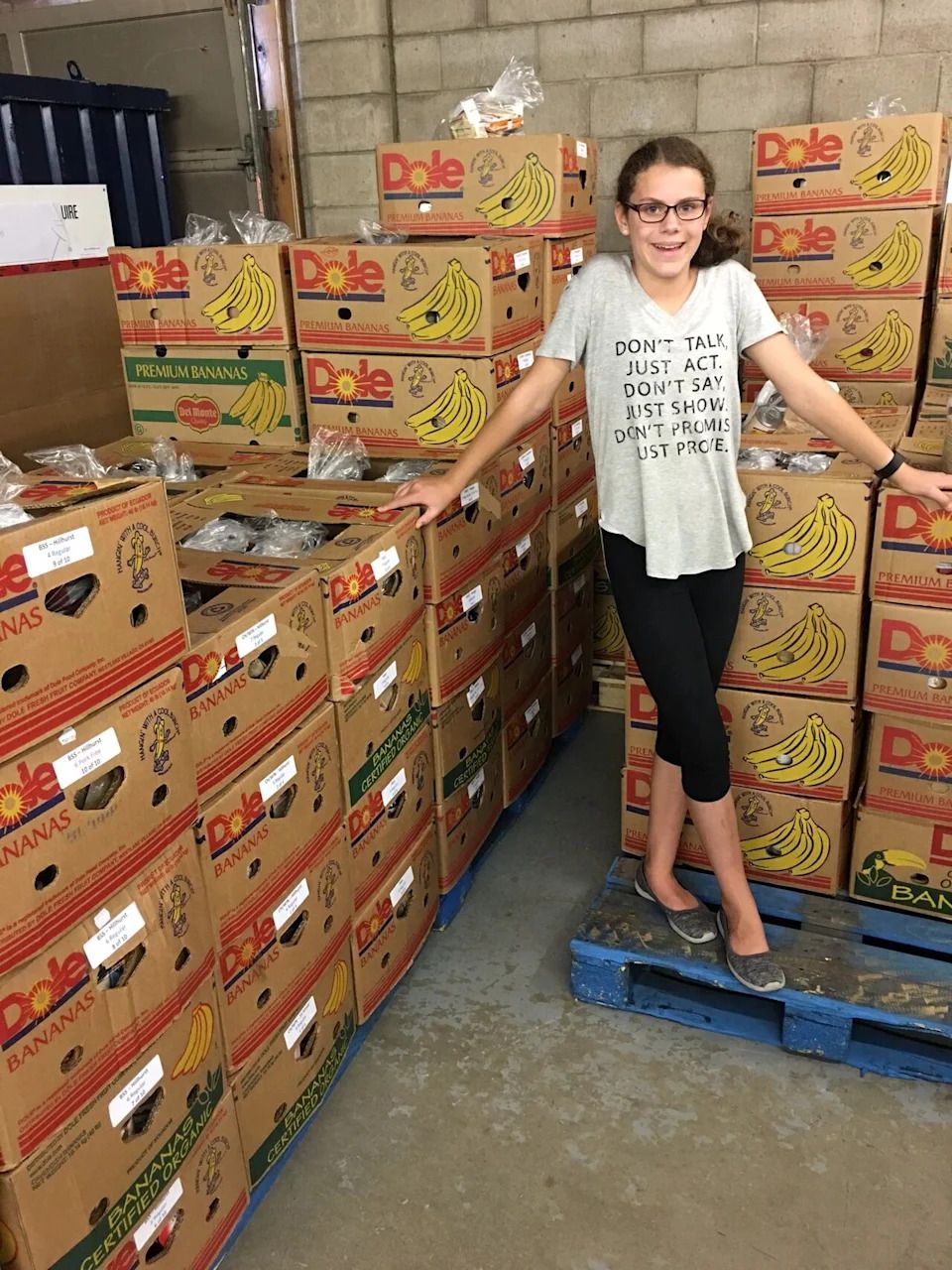
In 2016, I Can for Kids was still packing food hampers in a rented warehouse. Sutton Garner is a co-founder and Bobbi Turko's daughter. (Submitted by Bobbie Turko)
Recipients interviewed afterward said that being able to pick out what they needed from a grocery store meant they got more fresh fruit and vegetables, meat that fit their religious or dietary requirements, and the right amount of each item to fit their family’s needs.
They weren’t throwing out or re-gifting up to half the box anymore.
“It was a learning opportunity. It was literally an eye-opener and it was a game changer for us,” said Turko. “That was our inspiration and motivation to completely flip our model away from food entirely and focus exclusively on grocery gift cards.”
Advertisement
Advertisement
Advertisement
Advertisement
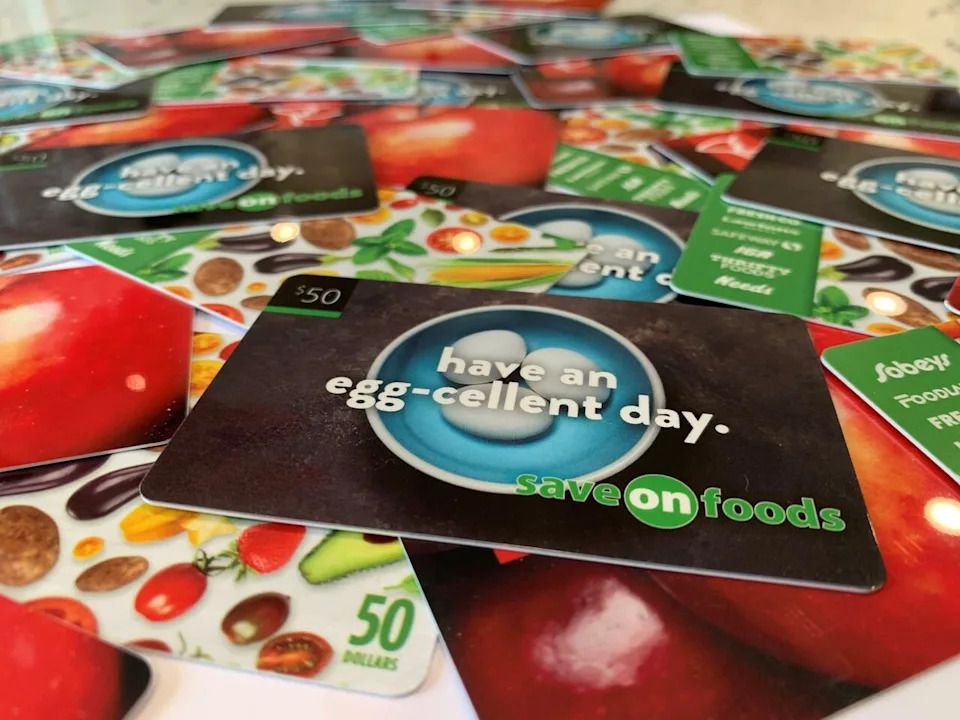
They’ve since handed out more than $4 million in gift cards over the past five years, and in the last year alone, they figure they’ve helped more than 41,500 kids. The $50 cards are distributed through community groups or health centres that know the families in need personally.
I Can for Kids now collects donations and gets discounts by buying $50 grocery store gift cards in bulk. (Submitted by Bobbi Turko)
Turko says the gift cards get closer to fixing the real problem causing hunger, too.
“Food insecurity is an income problem. It is due to a lack of income. And so if we want to approach how we alleviate food insecurity at its root, then we have to go down that income-based route.”
New food coalition seeks improvement
Statistics Canada said 31 per cent of households in Alberta struggled with food insecurity in 2024. That means everything from worrying about where the next meal is coming from, to actually going days with missed meals.
Advertisement
Advertisement
Advertisement
Advertisement
“We’re talking about root cause more than ever and it’s refreshing,” said Miriam Bankey.
She's with the recently formed YYC Food Collaborative, which consists of about 50 organizations with funders, government representatives, health-care officials and grassroots agencies. They focus on advocacy and improvement.
Bankey pointed as an example to the $10 gap between Alberta’s minimum wage and the living wage, the amount someone would need to earn to meet basic expenses in Calgary.
It’s just not possible for a person to cover all their expenses earning minimum wage here, she said.
In that context, Bankey is also seeing many organizations shift how they provide food.
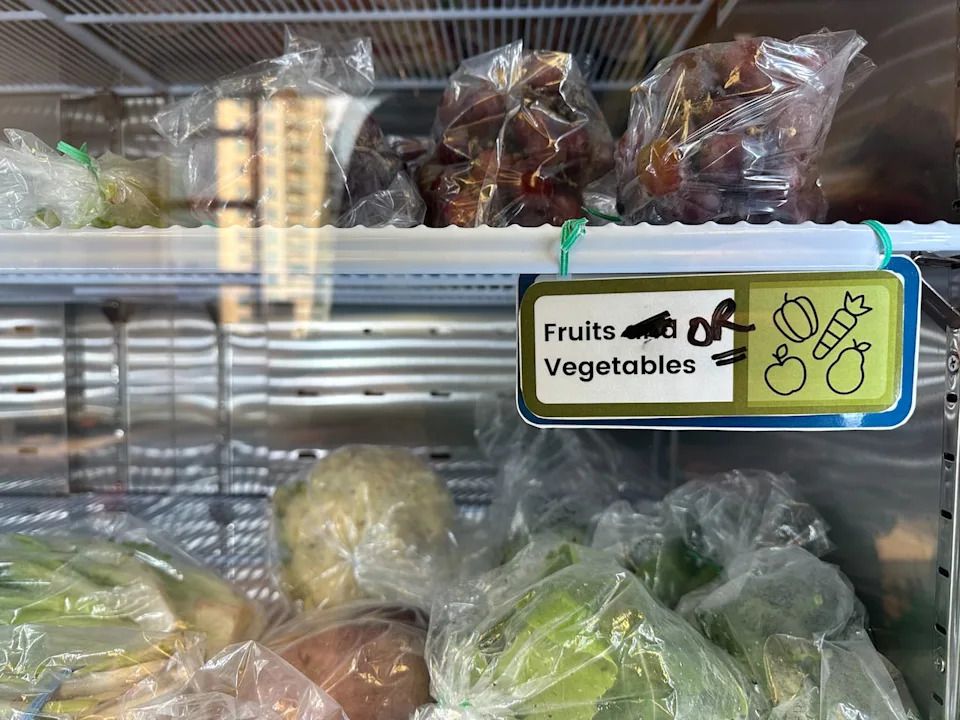
Seniors are invited to choose two fruits or vegetables when they visit the Unison Market. (Elise Stolte/CBC)
“There is a lot more focus on learning from folks that have lived experience of food insecurity — what they want,” she said.
Advertisement
Advertisement
Advertisement
Advertisement
“Dignity is not just choice, but somebody recognizing that you deserve that choice.”
Kerby Centre ditches the hamper for a market
In Calgary, Unison Market at the Kerby Centre offers another example of an organization trying something new.
Market co-ordinator Ashley Yeoman says the downtown seniors’ centre started during the pandemic by simply handing out free food — items donated by local grocery stores. It provided basic hampers and day-old bread to seniors who needed it.
But as inflation set in, the level of need grew. By 2024, the bread line regularly had 250 people and stretched around the building, Yeoman said.
Advertisement
Advertisement
Advertisement
Advertisement
“That was really a signal to us that we needed to do something different.”
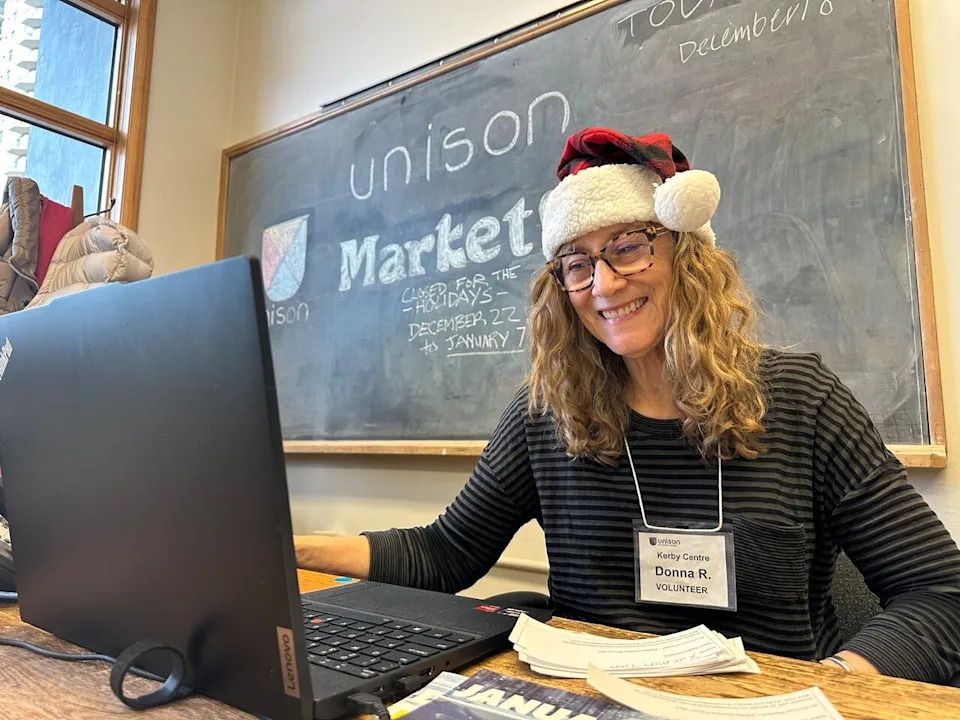
Donna Rapp is one of the volunteers who greet and get to know the seniors who stop by Unison Market. (Elise Stolte/CBC)
When the Kerby Centre set out to seek alternatives, they also discovered a well-documented connection between hunger in seniors and a lack of social connections. That’s why they reorganized into a market.
Now seniors have an appointment every two weeks. They meet with volunteers who know their names, are able to pick out the food they need, and are also invited to join different programs at the centre according to their interests.
That includes everything from crafting to exercise classes to dances in the cafeteria and a new gardening club that uses hydroponics to produce yet more fresh produce for the market.
Advertisement
Advertisement
Advertisement
Advertisement
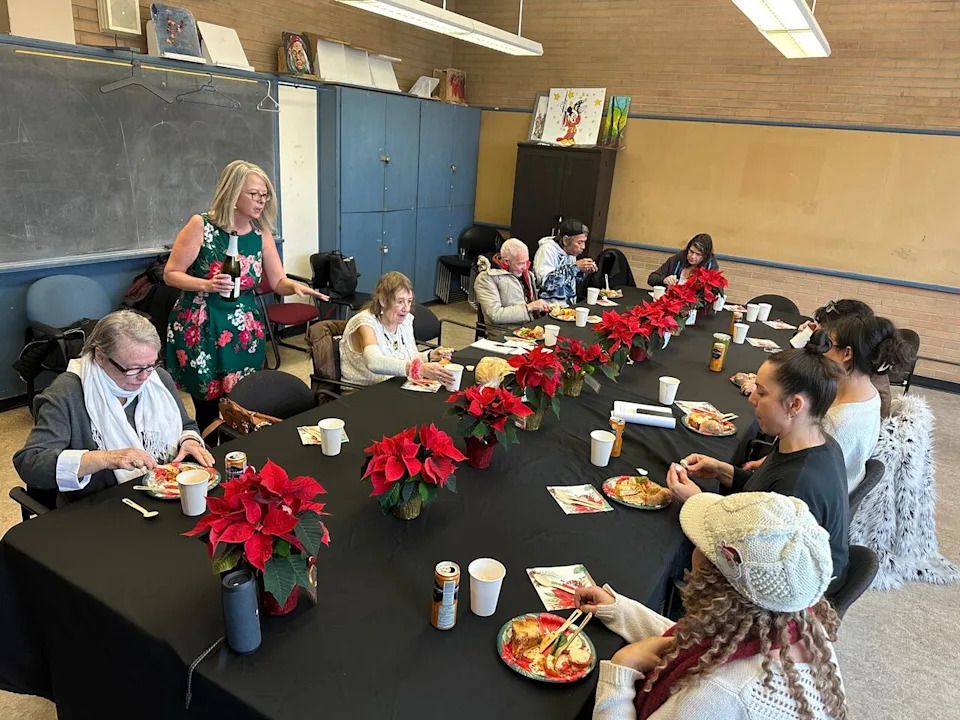
The centre co-hosted a holiday lunch for clients of the market to meet with CBC News and share their experience. They talked about how much they appreciated coming regularly to get what they need, especially as inflation outpaces their pensions. For these seniors, it’s much easier than trying to find someone to drive them to pick up a large amount from the food bank.
Seniors, volunteers, Unison staff and CBC staff gathered for a holiday lunch to talk about Unison Market. (Elise Stolte/CBC)
This approach is also something they can count on. They can plan ahead to stretch their budget, using other funds to buy basics and medications, or pay rent.
We asked about the item they got last time that was their favourite.
For Louise Labbee, it was chicken.
Advertisement
Advertisement
Advertisement
Advertisement
"I usually don't get [it] very often. But I got a package of chicken and I made a really nice roast dinner out of it," she said. "I invited my friend over and we shared it and that was a really good, wonderful experience.”
Rory Miller said it was a small bag of treats. He said he loves the consistency the market brings.
“I can expect there will be certain things that will be there. And that there's always going to be people there with a positive attitude and a guiding hand every time when I need it.”
Many said the friendly volunteers and welcoming nature of the market is important.
Advertisement
Advertisement
Advertisement
Advertisement
One woman was a volunteer herself until her health took a turn for the worse. Now she uses the market and says, despite everything, loneliness is the real poverty. This market addresses both.
“Don’t be afraid to come," said client Sharon Jones. "Everybody’s totally approachable, really helpful, nice. They’ll walk you through it, whatever you need to do.”
تم ادراج الخبر والعهده على المصدر، الرجاء الكتابة الينا لاي توضبح - برجاء اخبارنا بريديا عن خروقات لحقوق النشر للغير


