


اخبار العرب-كندا 24: الاثنين 22 ديسمبر 2025 05:20 صباحاً
Porcupine quills are a precious material for Indigenous artists because they can’t be purchased just anywhere – artists must source the material themselves or trade for them.
Some artists aren't squeamish about picking up the porcupine carcasses they need from the side of the road and putting them in their trunk.
"It's always an honour to do quillwork," said Amber Waboose, a quillwork artist from Batchewana First Nation in northern Ontario.
Advertisement
Advertisement
Advertisement
Advertisement
"I feel like I'm bringing life back into the porcupine."
Quilling is delicate work using the barbed needles to form intricate patterns and designs for jewelry and art.
(Submitted by Amber Waboose)
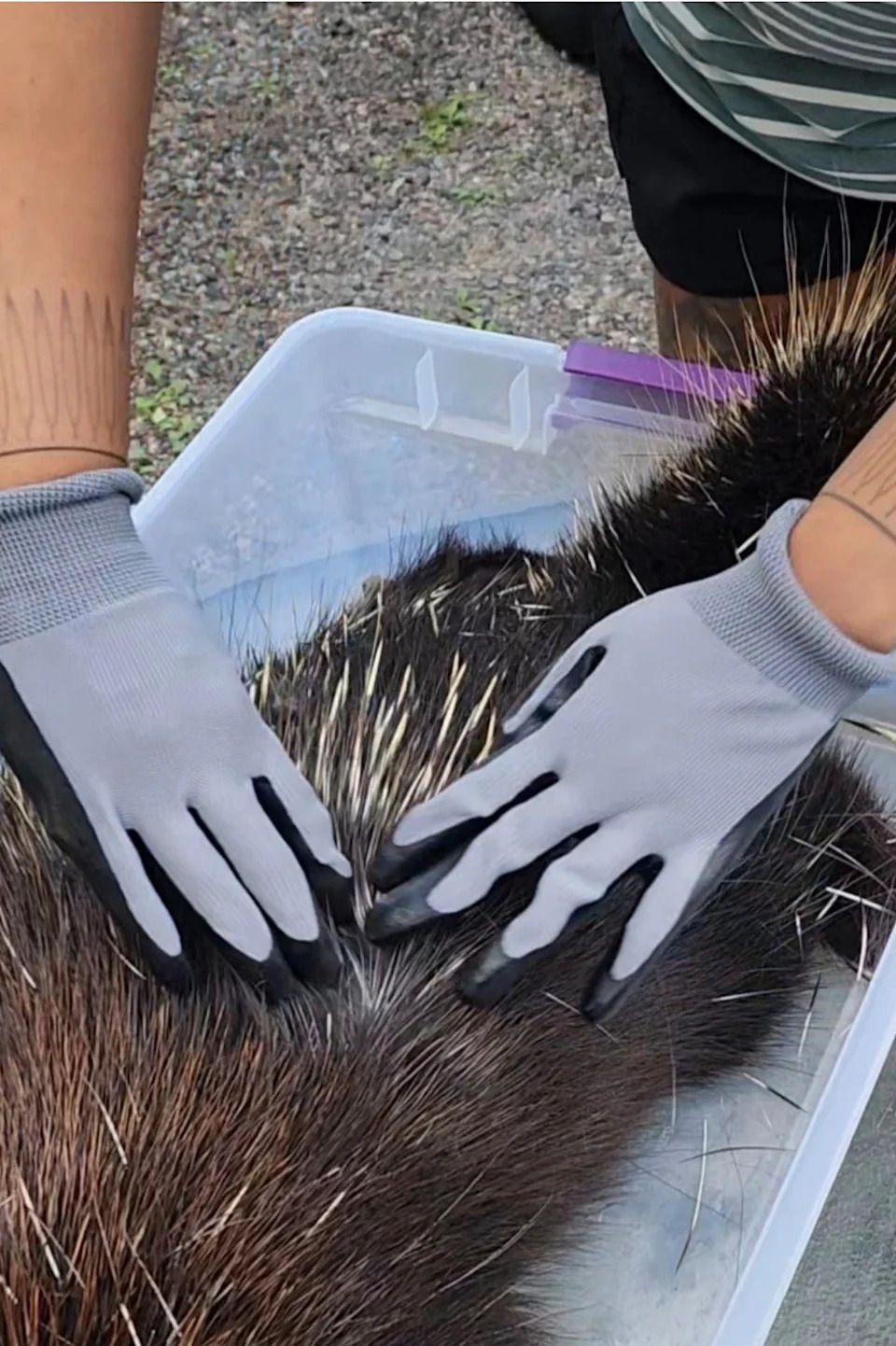
Waboose said people send her co-ordinates for porcupine roadkill so she can pick them up and she cleans and dyes the quills to get them ready for her next project. Then she honour its life by returning it to the forest with a bit of tobacco she uses to give thanks.
It takes about five to eight hours to clean a porcupine and remove its quills and guard hairs — the long, coarse outer layer of fur. The guard hairs can be used for a roach — the headdress on men’s traditional dance regalia.
(Submitted by Amber Waboose)
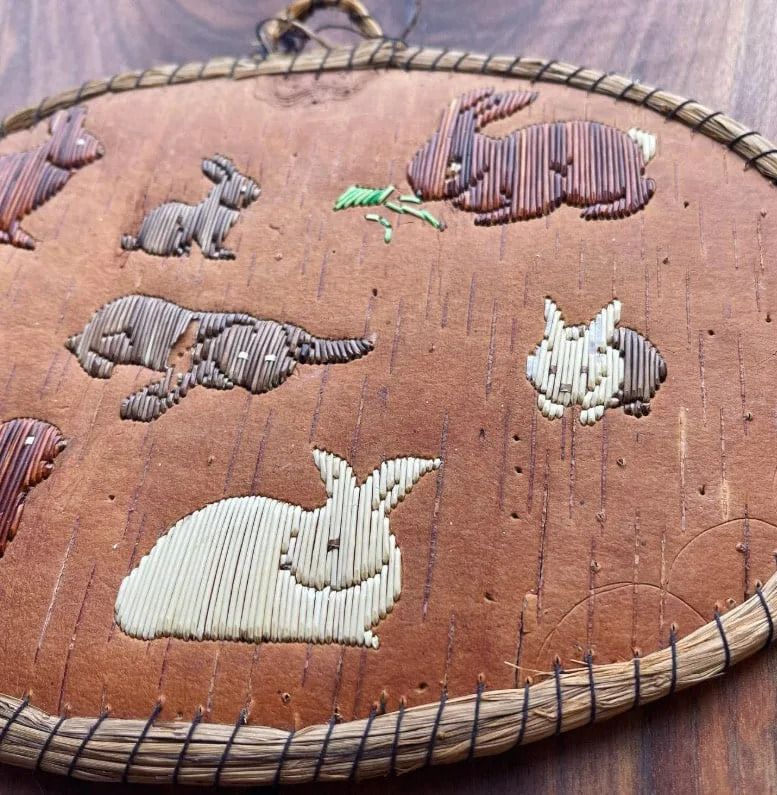
Waboose embroiders quills onto canvas or birchbark, which she also harvests herself.
Advertisement
Advertisement
Advertisement
Advertisement
“I feel like quillwork now is a large part of my identity as Anishinaabe kwe (woman),” Waboose said."
"Practicing daily is like an act of revitalizing it.”
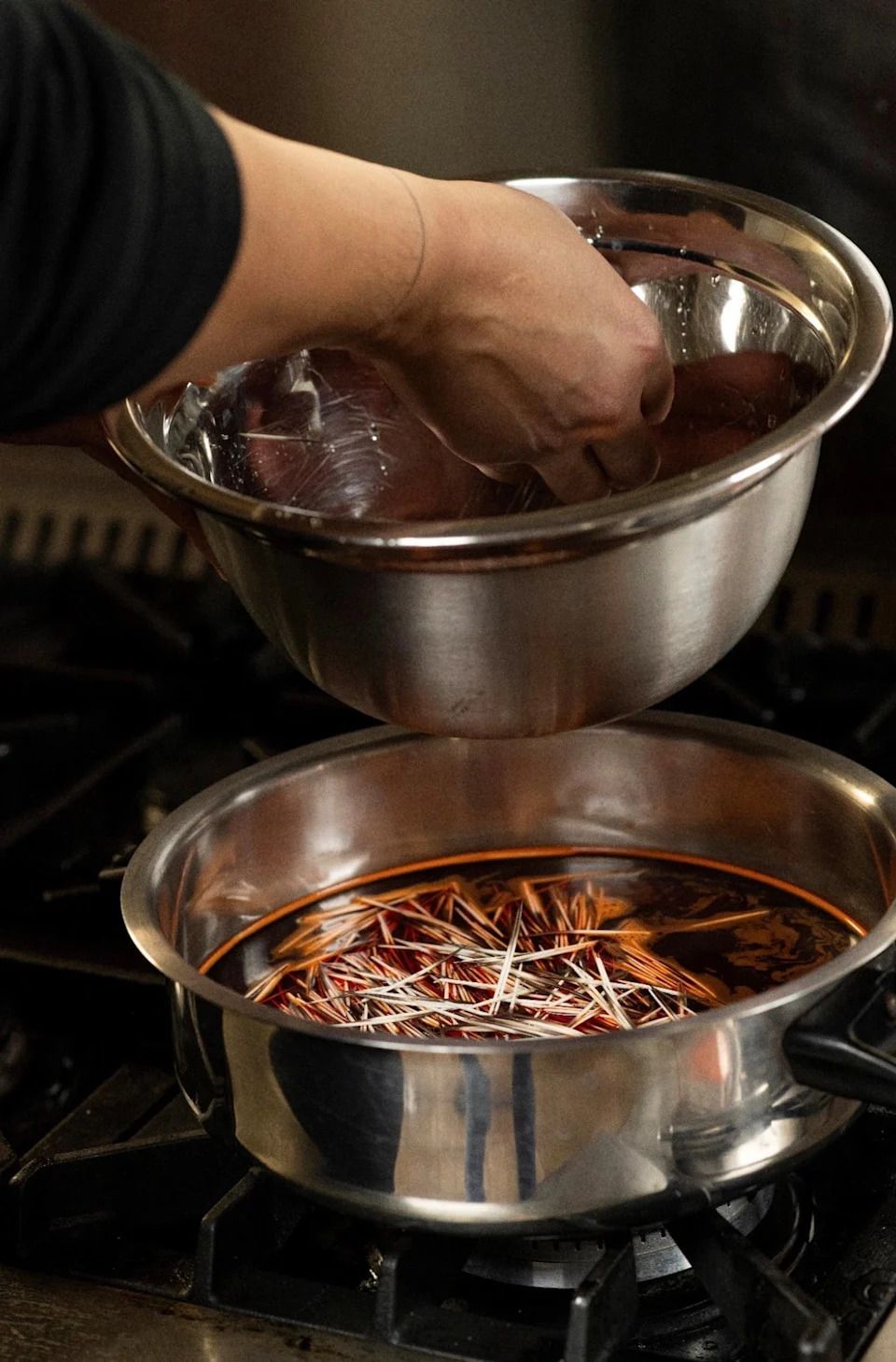
Kiera Pyke, who is Kanien’kehá:ka (Mohawk) from Akwesasne Mohawk Territory, uses synthetic and natural dyes like walnut and berries to colour the quills.
She softens them in water so she can flatten them, and then weaves them into hide to make medicine bags, medallions or earrings.
(Submitted by Kiera Pyke)
A pair of earrings takes her about eight hours depending on the intricacy of the design but it’s not as hard as people think, she said.
She teaches over 100 people a year to quill and said her classes fill quickly.
Advertisement
Advertisement
Advertisement
Advertisement
“I feel like a lot of people are trying to get into more traditional art, like what we did before beads,” Pyke said.
Pop art quillwork
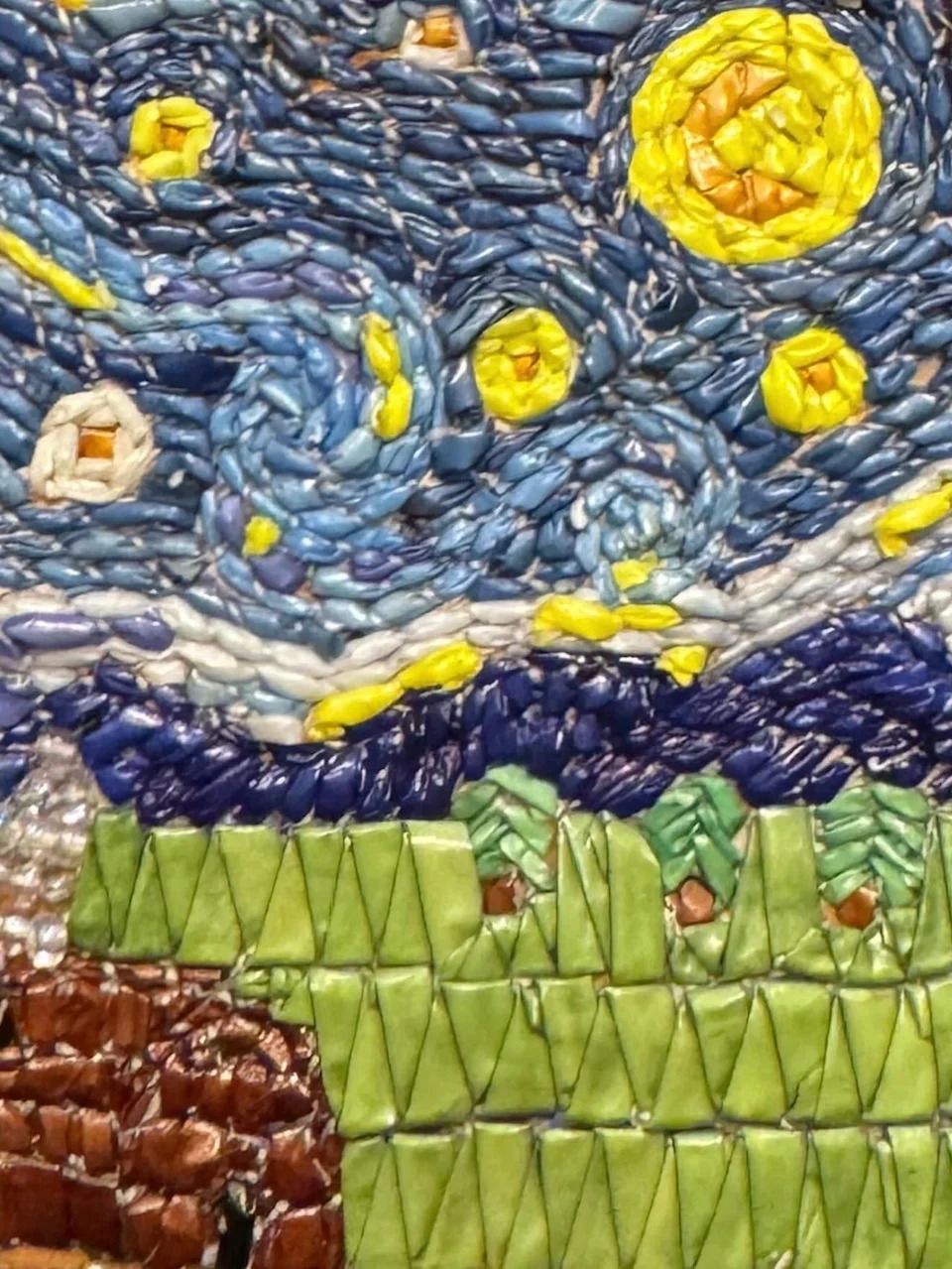
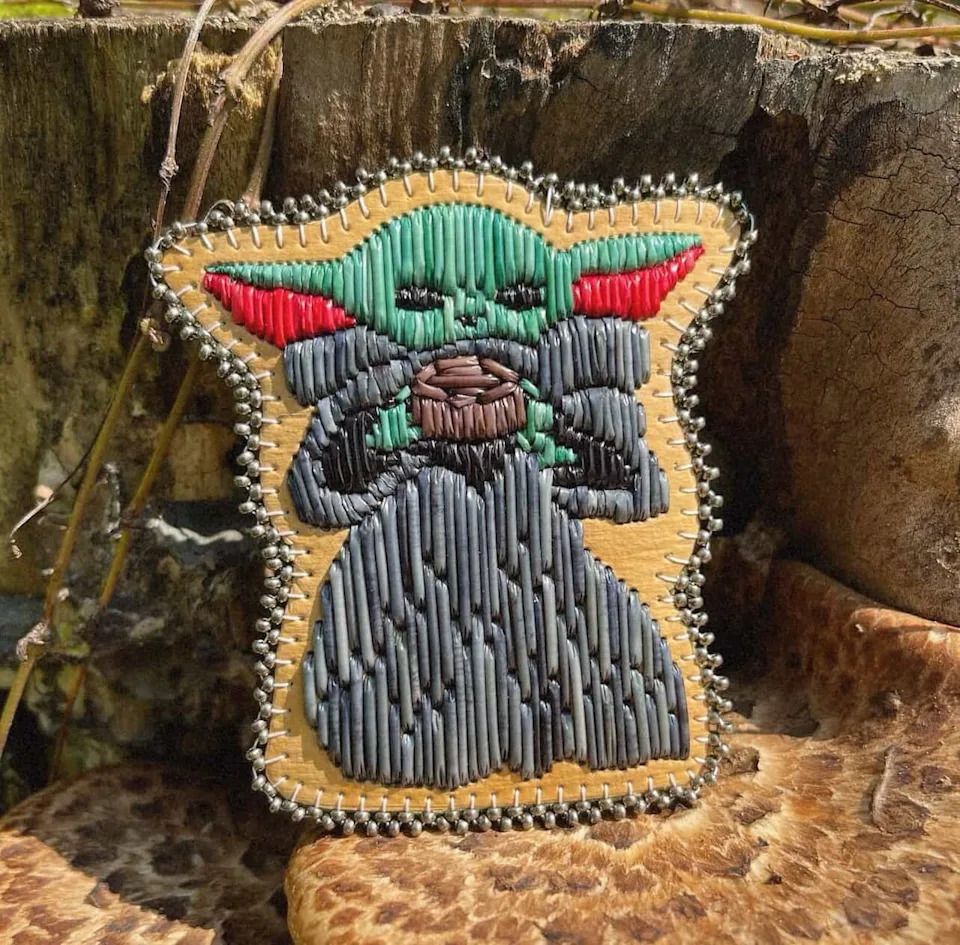
Dillon Bickle, of Chippewas of Rama First Nation in southern Ontario, quills pop art designs and likes to post how-to videos on his social media to share his craft so the next generation can learn.
“I wasn't able to ask my grandma how she did these things,” he said.
Although he never met her, he said his grandmother’s work inspires him and makes him feel connected to her. He said her quill boxes are some of his most-prized possessions.
(Submitted by Dillon Bickle)
Quillwork wasn't always as highly valued, Bickle said. He said decades ago his grandmother would receive $30 to $40 a piece while her work would sell for 10 times that.
Advertisement
Advertisement
Advertisement
Advertisement
“My grandmother used to make quill boxes like Monday through Thursday," he said.
"The white guy would come through the rez on the Friday and he would buy up their boxes and that would be their weekend spending money."
Bickle quills on birchbark which he said he harvests in the early summer when the tree is at its healthiest and strongest and the bark is able to regenerate.
(Submitted by Dillon Bickle)
He said the level of preparation involved in quillwork contributes to the cost of the final product.
For example, he said at a powwow, a pair of earrings might go for $60 to $80, while quillwork is rarely available because quilled earrings cost considerably more at around $300.
Advertisement
Advertisement
Advertisement
Advertisement
“It's not something you can just buy from a department store or even a local craft vendor doesn't have [quills] because they are from a natural animal,” Bickle said.
“You got to go to the bush. You got to find the bark, find the quills, wash them, all that process goes into creating.”
تم ادراج الخبر والعهده على المصدر، الرجاء الكتابة الينا لاي توضبح - برجاء اخبارنا بريديا عن خروقات لحقوق النشر للغير


