


اخبار العرب-كندا 24: الأحد 14 ديسمبر 2025 08:44 صباحاً
A parasitic brain worm fatal to moose, elk and caribou has been found in northern Alberta for the first time.
Alberta Fish and Wildlife confirmed that meningeal worm — Parelaphostrongylus tenuis (P. tenuis) — was found in five caribou and one moose in 2024 on the Cold Lake Air Weapons Range, roughly 230 kilometres northeast of Edmonton.
“It’s pretty serious,” Emily Jenkins, a microbiology professor at the University of Saskatchewan’s Western College of Veterinary Medicine, told CBC News.
Advertisement
Advertisement
Advertisement
Advertisement
The meningeal worm behaves “very nicely” in white-tailed deer, Jenkins said.
In that animal, the parasite invades the tissue surrounding their brains — called the meninges. Eggs are laid in the bloodstream. They travel into the lungs, through the digestive tracts and are expelled in fecal mucous, leaving the deer unharmed, she said.
But the worms can kill other cervids, like mule deer, caribou, elk and moose, within weeks or months, Jenkins said. She noted, however, that data is limited.
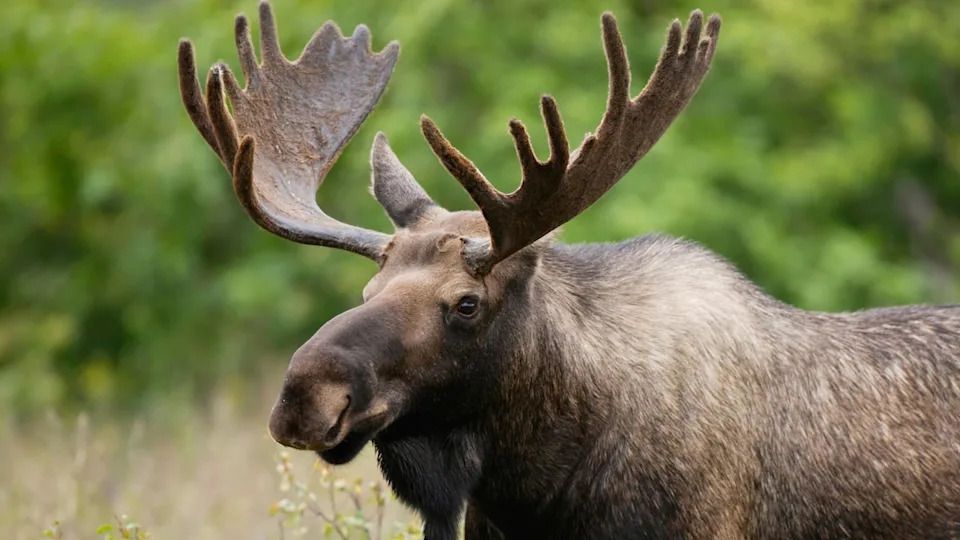
Meningeal worms can be fatal for cervids, including moose, according to a Saskatchewan-based researcher. (CBC)
When larvae in fecal matter are picked up by snails and slugs, which are then eaten by cervids like mule deer, caribou, elk and moose, the worms burrow into the animal’s spinal cord and brain tissue. This results in symptoms like uncoordinated limbs, twisted neck and titled head.
Advertisement
Advertisement
Advertisement
Advertisement
According to an Alberta government fact sheet issued in November, P. tenuis can also fatally infect animals like Bighorn sheep and mountain goats, domestic livestock such as llamas and alpacas, and cattle on a rare basis.
“[The worms] cause an incredible amount of damage,” Jenkins said, adding that the parasite is one of the multiple factors contributing to declining moose and caribou populations.
The Ministry of Environment and Protected Areas told CBC News in an emailed statement that it is developing a response plan, including an awareness campaign on how to recognize symptoms.
The statement added that the plan also involves testing all white-tailed deer heads submitted for Chronic Wasting Disease (CWD) from northeastern Alberta. CWD is a prion disease affecting cervids in Alberta and Saskatchewan.
Advertisement
Advertisement
Advertisement
Advertisement
Jenkins has been studying the worm’s presence in Saskatchewan with other researchers. She said about 10 per cent of white-tailed heads tested had these , and it can be found in the northern and central regions.
“Finding it in white-tailed deer is really the definitive way of saying, ‘Yes, this parasite’s here to stay, and it’s established and it’s able to circulate locally,’” she said.
Researchers thought the meningeal worm, which is native to eastern Canada and the eastern and central U.S., wouldn’t migrate to the typically dry and cold western parts of North America, Jenkins said.
But its presence in the northern regions of Alberta and Saskatchewan suggests it’s travelling along the damp, leafy edge of the boreal forest, she said.
P. tenuis not a surprise to Indigenous hunter
For Indigenous hunters in northern Alberta, like Kevin Adby, news of P. tenuis isn’t a surprise — but it is scary and frustrating.
Advertisement
Advertisement
Advertisement
Advertisement
Adby, who hunted for decades, said he has noticed fewer and smaller moose over the years. But a new parasite could also hurt cultural traditions of hunting and harvesting.
“Deer used to be a big staple in our diet. Now, nobody even eats it anymore because of [chronic] wasting disease,” Adby told CBC News. “If they hear about this, it’ll be another excuse not to go out hunting.”
Adby said watching younger generations lose interest in traditions like moose hunting is frustrating.
“My son doesn’t want to hunt, doesn’t want to eat meat,” he said. “It’s tough that we’re losing all this cultural display of life.”
Advertisement
Advertisement
Advertisement
Advertisement
Jenkins is cautiously hopeful the worm won’t spread too far south, she said, citing inhospitable conditions for larvae-laden slugs and snails.
But she suggests farmers and ranchers — especially those raising herbivores like elk — take precautionary measures.
“I wouldn’t go so far as to say it’s going to become a production-limiting disease, but it’s definitely something producers would need to be aware of,” she said.
تم ادراج الخبر والعهده على المصدر، الرجاء الكتابة الينا لاي توضبح - برجاء اخبارنا بريديا عن خروقات لحقوق النشر للغير


