


اخبار العرب-كندا 24: الاثنين 8 ديسمبر 2025 08:56 مساءً
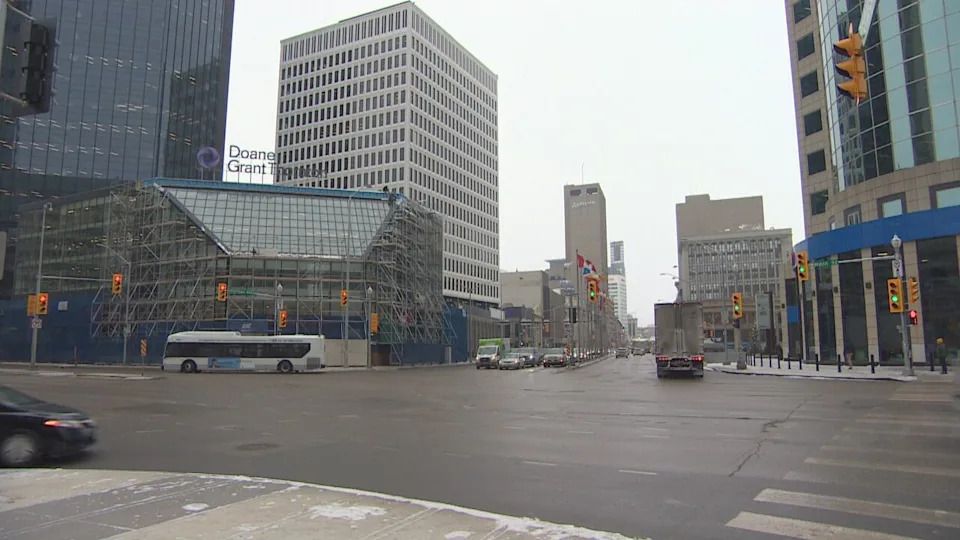
New data from the City of Winnipeg shows that opening Portage and Main to pedestrians has had little to no impact on the travel times of motorists.
The city says a travel-time analysis was conducted, comparing data collected for four key routes before the intersection reopened on June 27 to after it opened.
Pedestrians had previously been restricted from previously crossing Winnipeg’s famous corner for 46 years.
Advertisement
Advertisement
Advertisement
Advertisement
The GPS-enabled data from vehicles in traffic, which focused on weekdays in November of this year compared to November 2024, showed that during rush-hour traffic — between 8 a.m. and 9 a.m. and from 4 p.m. to 5 p.m. — on two major routes, and in both directions of the intersection, went mostly unchanged.
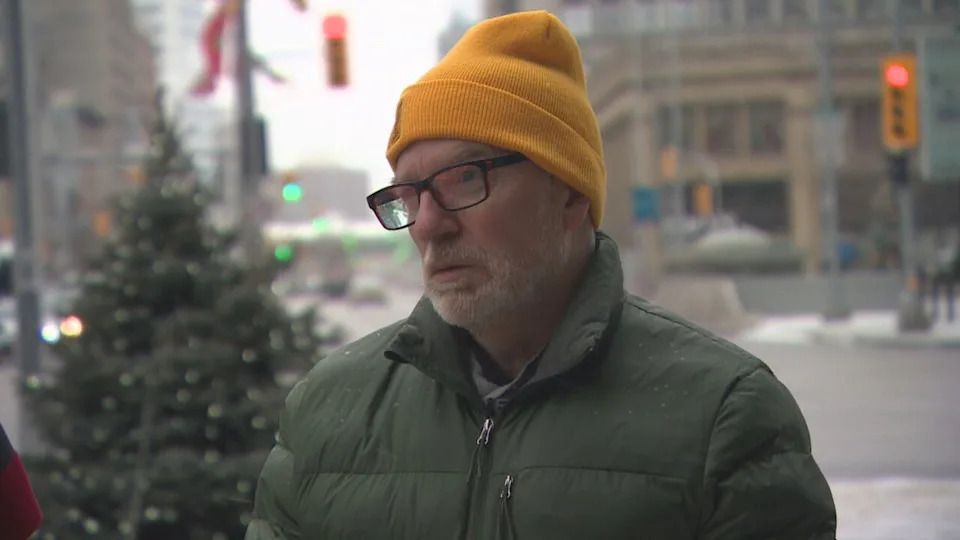
“It’s very gratifying to see data back up what we were saying all along, that the impact on commuting times is going to be very minimal, if anything,” Ian McCausland, a member of the Vote Open group, said Monday.
He has been part of the group pushing for the intersection to reopen since 2018.

Ian McCausland, a member of the Vote Open group that was adamant that the intersection at Portage Avenue and Main Street reopen, says new data on commute times from the City of Winnipeg backs up the message the group first started spreading in 2018. (Tyson Koschik/CBC)
McCausland says members of the city’s public works team did a great job of designing the reopened intersection so that the timing of traffic continues to flow.
Advertisement
Advertisement
Advertisement
Advertisement
Motorists travelling southbound on Main Street in the morning window saw their commute time increase by an average of 0.9 minutes to between Higgins and Assiniboine avenues — up from 7.2 to 8.1 minutes.
Northbound commuters during the same morning period saw their travel time increase by an average of less than 0.1 minutes.
Motorists travelling east along Portage Avenue, from Colony Street and then north at Main Street to Higgins Avenue, saw no change to their six-minute commute. Drivers going in the same direction, but heading south to Assiniboine Avenue saw a marginal commute increase, up from 6.1 to 6.5 minutes.
In June, Mayor Scott Gillingham dismissed criticisms traffic would slow down or become too dangerous for pedestrians upon the intersection's reopening.
Advertisement
Advertisement
Advertisement
Advertisement
"I don't say this tritely: Winnipeggers cross thousands of intersections every day. And they cross bigger intersections with more traffic than we have here at Portage and Main, so we can do this."
The city says more than 3,500 pedestrians a day have used crossings at the intersection of Portage Avenue and Main Street in Winnipeg since Sept. 1. (Tyson Koschik/CBC)
Afternoon rush-hour commutes for three of the same routes saw an average increased driving time of about 1.8 minutes.
The exception was northbound traffic on Main Street, which dropped an average of 1.1 minutes, from 9.7 to 8.6 minutes between Assiniboine and Higgins avenues.
“These changes are all considered relatively negligible when looking at impacts to daily commutes due to intersection changes,” a city spokesperson said in an email to CBC.
Advertisement
Advertisement
Advertisement
Advertisement
The analysis doesn’t take into account any construction through downtown, or other issues that could cause traffic to bottleneck, the city said.
Since Sept. 1, an average of 3,570 pedestrians have crossed Portage and Main daily. The city doesn’t have information on any collisions at the intersection since its reopening.
As far as McCausland is aware, he says there haven’t been any incidents.
“When we were discussing the pros and cons of opening the intersection before the plebiscite, the rhetoric got quite heated, and quite a few people were convinced that we would see a lot of traffic deaths,” he said.
Advertisement
Advertisement
Advertisement
Advertisement
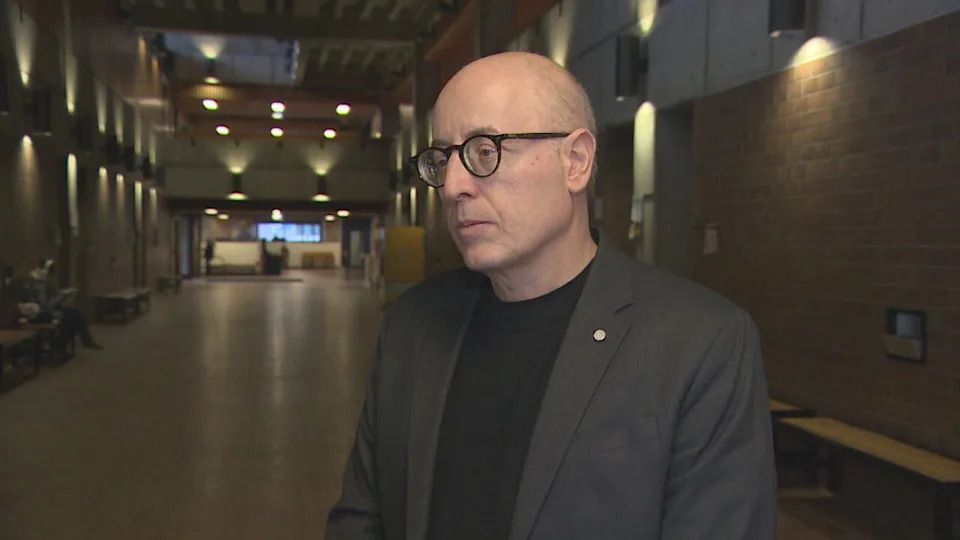
Jim Distasio, an urban geography professor at the University of Winnipeg, is also glad to see the intersection open once again.
Jim Distasio, professor of urban geography at the University of Winnipeg, says the intersection's reopening was never going to cause significant impacts to commute times. (Tyson Koschik/CBC)
He says ultimately it’s another intersection that really wasn't going to cause a significant impact to transportation, despite thoughts that it might.
“It's not about vindication, it's just about the fact that we now have a vibrant intersection where one didn't exist before, and one where we were starving to get people back on the streets of our downtown,” Distasio said.
“This is just one of those small little pieces of the puzzle that was necessary.”
Coupled with the city’s recent revamped transit network, he sees the intersection being open as part of the bigger scheme where pedestrians and vehicles can coexist.
Advertisement
Advertisement
Advertisement
Advertisement
“I think we've turned the page in a good way, and that will keep monitoring to make sure that we have the synchronization of how people cross, how traffic flows, and to keep doing it in a safe manner,” Distasio said.
“[It’s] one that encourages the pedestrianization of the downtown to really see significant positive turn around.”
تم ادراج الخبر والعهده على المصدر، الرجاء الكتابة الينا لاي توضبح - برجاء اخبارنا بريديا عن خروقات لحقوق النشر للغير


